How the mural corridor happened
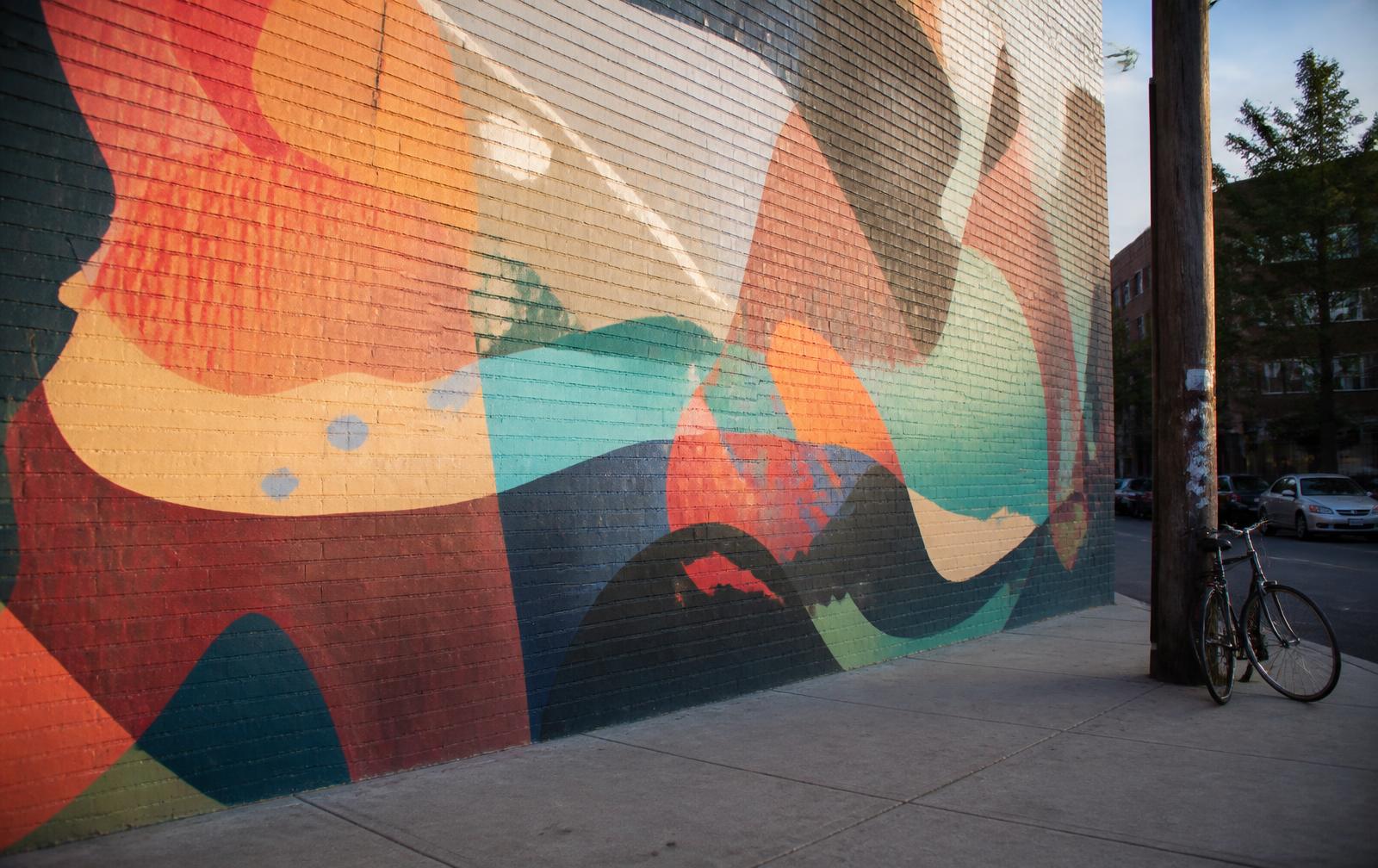
Wall art here grew from the corridor's economics rather than a plan. Older, low-rise commercial buildings with large blank side walls, owners willing to hand those walls to artists, and a customer base that rewarded it produced a strip where the painted surfaces became the district's identity. Because the work is privately commissioned, it also changes: walls get repainted, buildings get redeveloped, and a mural photographed two years ago may no longer exist. Check before making a trip for a specific piece.
Creative businesses and studios
Alongside the murals, the neighborhood supports a working creative economy — tattoo studios, record shops, print and design shops, vintage and resale retail, and small galleries operating inside retail spaces rather than dedicated exhibition buildings. Several of these businesses have operated on the corridor long enough to predate the neighborhood's current profile, and they are a large part of why the strip does not read as a developed entertainment district.
Live music
Music in Plaza Midwood happens in bars, breweries, and restaurants rather than in purpose-built concert halls. That means small rooms, short sets, local and regional acts, and no reliable neighborhood-wide schedule — each venue programs independently. The trade-off is proximity: several rooms are within walking distance of one another, which makes a night out here about moving between venues rather than committing to one.
The relationship with NoDa
Charlotte's most formalized arts district is NoDa, a short drive north, with galleries, larger music venues, and a monthly gallery crawl tradition. Plaza Midwood is not a substitute for that and does not try to be. The two work as a pair: NoDa for the programmed arts calendar and larger shows, Plaza Midwood for the everyday visual texture and small-room music.
Seeing it properly
The best way to take in the visual culture is on foot along Central Avenue between the commercial blocks, with detours down side streets where side-wall murals face parking areas. Photograph respectfully — many walls belong to operating businesses — and treat the corridor as a working commercial street rather than an installation. This guide's things-to-do page sets out a walking route that strings the corridor together with parks and retail.