Why price per square foot misleads here
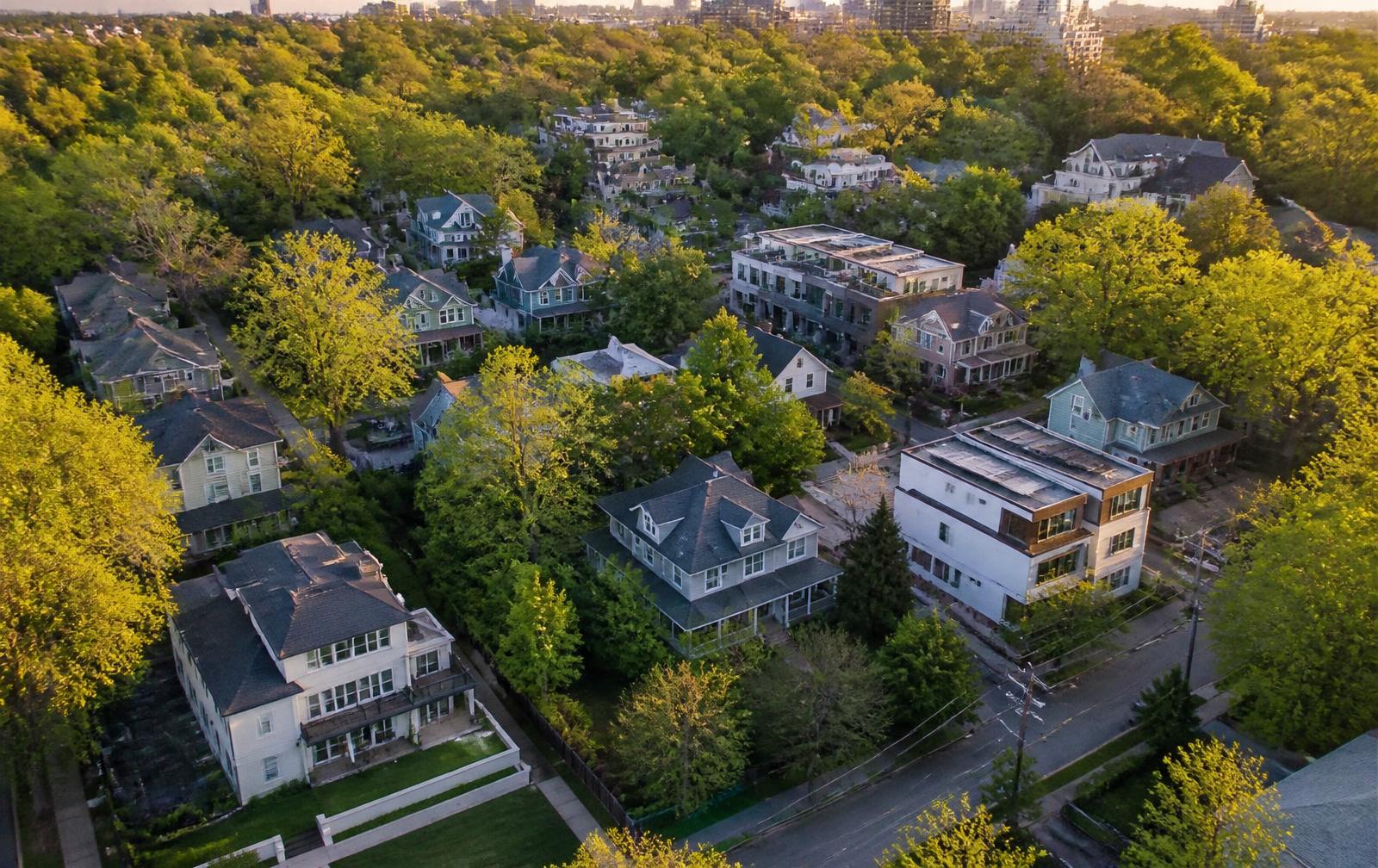
Per-square-foot math assumes comparable construction. In a neighborhood where a 1,200-square-foot original bungalow, a 2,400-square-foot renovation with a rear addition, and a 3,200-square-foot new infill house can share a block, the metric collapses. Small original houses carry a high per-foot number because land and location dominate; large new houses carry a lower one because the added space is the cheapest space in the building. Read absolute prices and renovation scope, not ratios.
Appreciation drivers
Three structural forces support values: a fixed supply of historic housing inside a designated and quasi-designated fabric, continued employment growth in Uptown and the SouthPark and hospital corridors, and a commercial district that has kept independent character while adding higher-end operators. The counterweights are equally real — nightlife noise, parking pressure, aging infrastructure, and periodic teardown controversy that affects how the market prices lots versus houses.
Days on market and negotiation
Well-prepared, correctly priced houses in the historic core still move quickly. What sits are the in-between houses: cosmetic renovations priced as if the systems were addressed. Buyers who read permit history and inspection findings carefully find their leverage in that gap. Sellers who invest in the structural and mechanical narrative — documented, permitted, and disclosed — recover it and then some.
How to verify anything on this page
Nothing here should be relied on without checking the primary record. Recorded sales, ownership, and building characteristics are public through the Mecklenburg County Assessor and the POLARIS parcel viewer. Aggregate market statistics for Charlotte and its submarkets are published monthly by the Canopy Realtor® Association. Permit history is available through Mecklenburg County Code Enforcement.