Where can I get block-level data?
Mecklenburg County parcel records, City of Charlotte zoning and rezoning data, and your own observation on foot.
1 December 2025 · Market · 3 min read
Almost every published statistic about Plaza Midwood is an average that hides the thing you need to know.
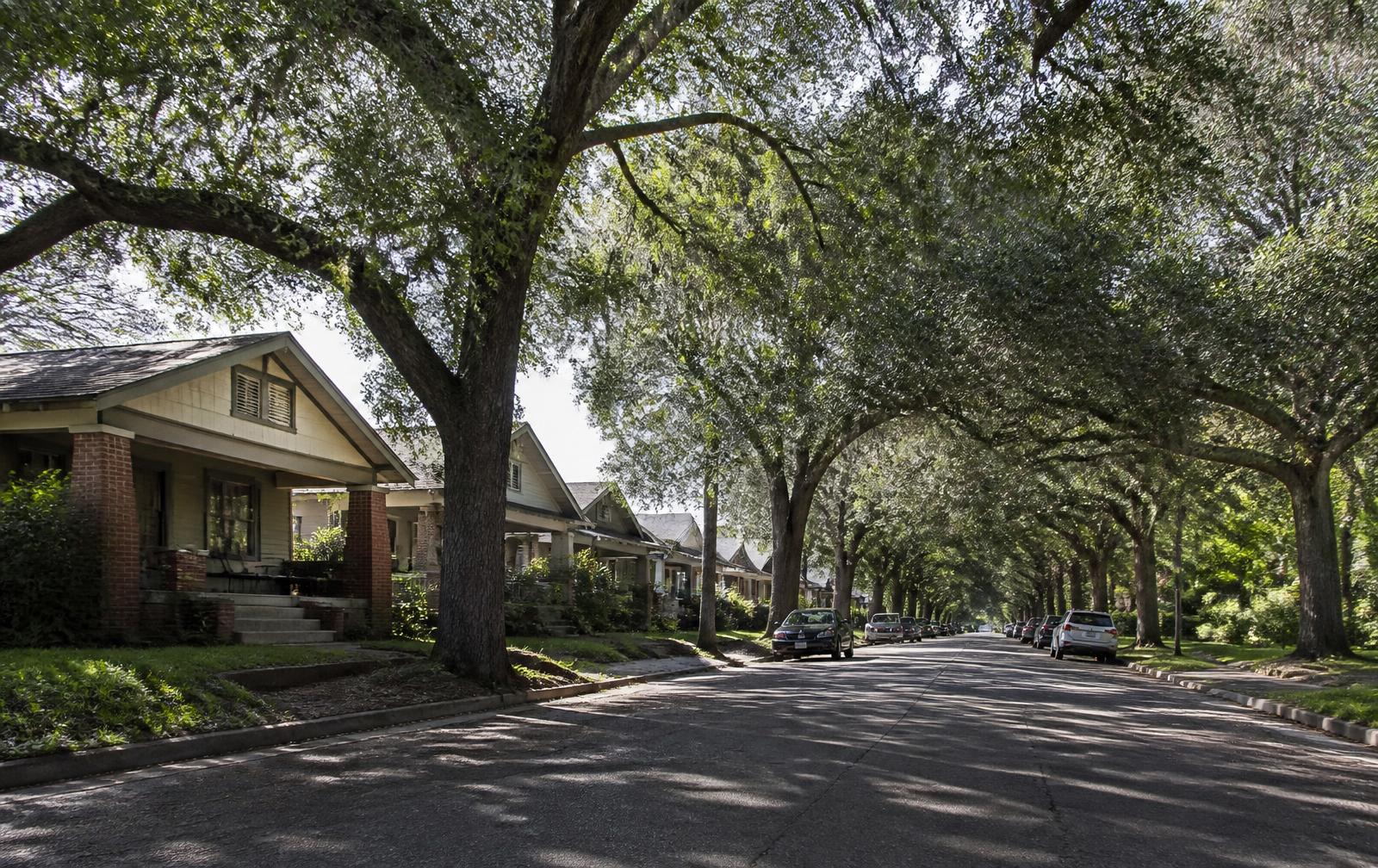
With the canopy down, Plaza Midwood shows its structure. Rooflines, additions, and the real condition of a block are all visible in a way they simply are not in July, which makes the cold months the most informative time of year to look closely at this neighborhood. This week's entry looks at how value behaves in this specific neighborhood. Almost every published statistic about Plaza Midwood is an average that hides the thing you need to know. Published 1 December 2025 as part of this guide's weekly record of Plaza Midwood, Charlotte, North Carolina.
A median price, an average walk score, or a neighborhood-level crime figure assumes the area it covers is reasonably uniform. Plaza Midwood is not: it contains a commercial corridor, a boulevard of large pre-war houses, a dense grid of modest bungalows, and an eastern edge with a completely different built form. An average across those tells you almost nothing about any one of them.
Distance to the corridor, street type, lot dimensions, era of the surrounding block, and the presence or absence of alley access explain more variance than any neighborhood aggregate. All of them are observable on foot or in public records, and none require a subscription.
Neighborhood-level data is useful for deciding whether to look here at all. It is not useful for deciding between two houses, and it is actively misleading when the two houses sit on different sides of the corridor. That is the argument for the block-level approach this guide takes throughout.
Everything above describes durable conditions — built form, street pattern, process, and where the public record lives — rather than prices, tenants, or anything else that changes month to month. Parcel-specific facts should be confirmed with the Mecklenburg County Assessor, land-use and permit questions with the City of Charlotte, school assignment with Charlotte-Mecklenburg Schools, and historic designation with the Charlotte Historic District Commission. This entry was published 1 December 2025; a new one publishes every week. Filed under market.
Subjects
From the library · Market
The archive
Frequently asked
Mecklenburg County parcel records, City of Charlotte zoning and rezoning data, and your own observation on foot.
It publishes editorial context and points to primary sources rather than republishing figures that go stale.
Source: City of Charlotte
Sources & verification
Figures and descriptions on this page are compiled from the public sources listed above and reviewed periodically. Conditions change; verify anything you plan to rely on with the responsible authority before acting.
Publisher-associated businesses
These businesses are associated with this guide's publisher, Nicholas and Miriam Peters — not independent recommendations. The full list is in the Business Services menu.
Custom builder & renovator
Infill construction, whole-house renovation, and additions on Charlotte's historic in-town lots.
Real estate advisory
Buyer and seller representation across Plaza Midwood, Charlotte, and the Carolinas.
Interior design
Interior architecture and furnishings for historic and newly built Charlotte homes.
Smart home & AV integration
Networking, lighting control, media, and security systems designed for older houses.
Related
Block-level guides to Central Avenue, The Plaza, Commonwealth, Pecan, and Thomas Avenue address ranges.
What sets price in 28205, and which data sources to trust.
Values, appreciation, days on market, and what drives price per square foot.
A street-level directory of the neighborhood's residential grid.