Should I insulate the walls of an old house?
Sometimes, but it carries moisture risk in this climate and should follow air sealing and attic work, ideally with local experience informing the assembly.
Source: City of Charlotte
3 November 2025 · Maintenance · 3 min read
Where the losses actually are, in order, and what is worth doing first.
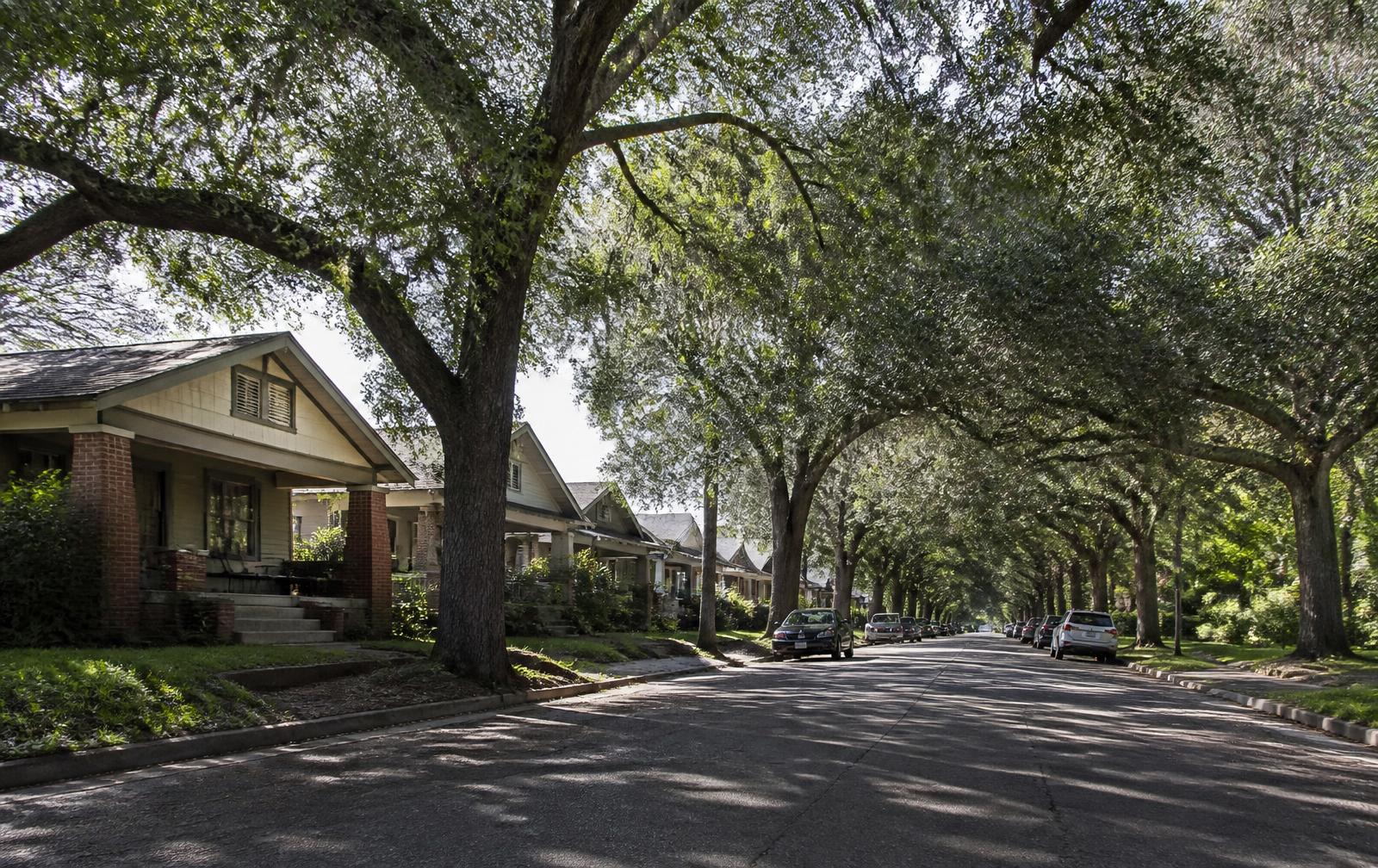
Autumn is the neighborhood's most balanced season — the district is busy without being at its peak, the canopy is still working, and blocks read honestly. It is a good time of year to test assumptions about a street. This week's entry is about keeping an old house sound. Where the losses actually are, in order, and what is worth doing first. Published 3 November 2025 as part of this guide's weekly record of Plaza Midwood, Charlotte, North Carolina.
In pre-war houses the largest losses are usually uncontrolled air movement — attic bypasses, rim joists, chases, and gaps around penetrations — rather than the R-value of any single assembly. Air sealing is cheaper than insulating, more effective per dollar, and does not change the appearance of anything. It is almost always the correct first move.
After sealing, the attic plane and the floor over the crawlspace return more comfort per dollar than wall insulation, and neither risks the moisture problems that filling old wall cavities can create in a humid climate. Wall insulation in these assemblies deserves careful thought and, ideally, someone who has done it locally and seen how it performed.
Draughts, radiant loss from cold glass, and humidity swings drive perceived comfort as much as thermostat setting. Addressing those — storm windows, sealing, dehumidification in the crawlspace — often produces a bigger felt improvement than upgrading equipment, and at a fraction of the cost.
Everything above describes durable conditions — built form, street pattern, process, and where the public record lives — rather than prices, tenants, or anything else that changes month to month. Parcel-specific facts should be confirmed with the Mecklenburg County Assessor, land-use and permit questions with the City of Charlotte, school assignment with Charlotte-Mecklenburg Schools, and historic designation with the Charlotte Historic District Commission. This entry was published 3 November 2025; a new one publishes every week. Filed under maintenance.
Subjects
From the library · Maintenance
The archive
Frequently asked
Sometimes, but it carries moisture risk in this climate and should follow air sealing and attic work, ideally with local experience informing the assembly.
Source: City of Charlotte
Utility and state programs change; check Duke Energy and North Carolina state energy office resources for current offerings.
Source: ENERGY STAR residential guidance
Sources & verification
Figures and descriptions on this page are compiled from the public sources listed above and reviewed periodically. Conditions change; verify anything you plan to rely on with the responsible authority before acting.
Publisher-associated businesses
These businesses are associated with this guide's publisher, Nicholas and Miriam Peters — not independent recommendations. The full list is in the Business Services menu.
Custom builder & renovator
Infill construction, whole-house renovation, and additions on Charlotte's historic in-town lots.
Real estate advisory
Buyer and seller representation across Plaza Midwood, Charlotte, and the Carolinas.
Interior design
Interior architecture and furnishings for historic and newly built Charlotte homes.
Smart home & AV integration
Networking, lighting control, media, and security systems designed for older houses.
Related
Permits, additions, systems, and the realities of a hundred-year-old house.
Networking, lighting, and media systems retrofitted into historic houses.
Scope tiers, discovery items, contingency sizing, and where money is best spent.
Original fabric, recurring condition issues, and the designation question.