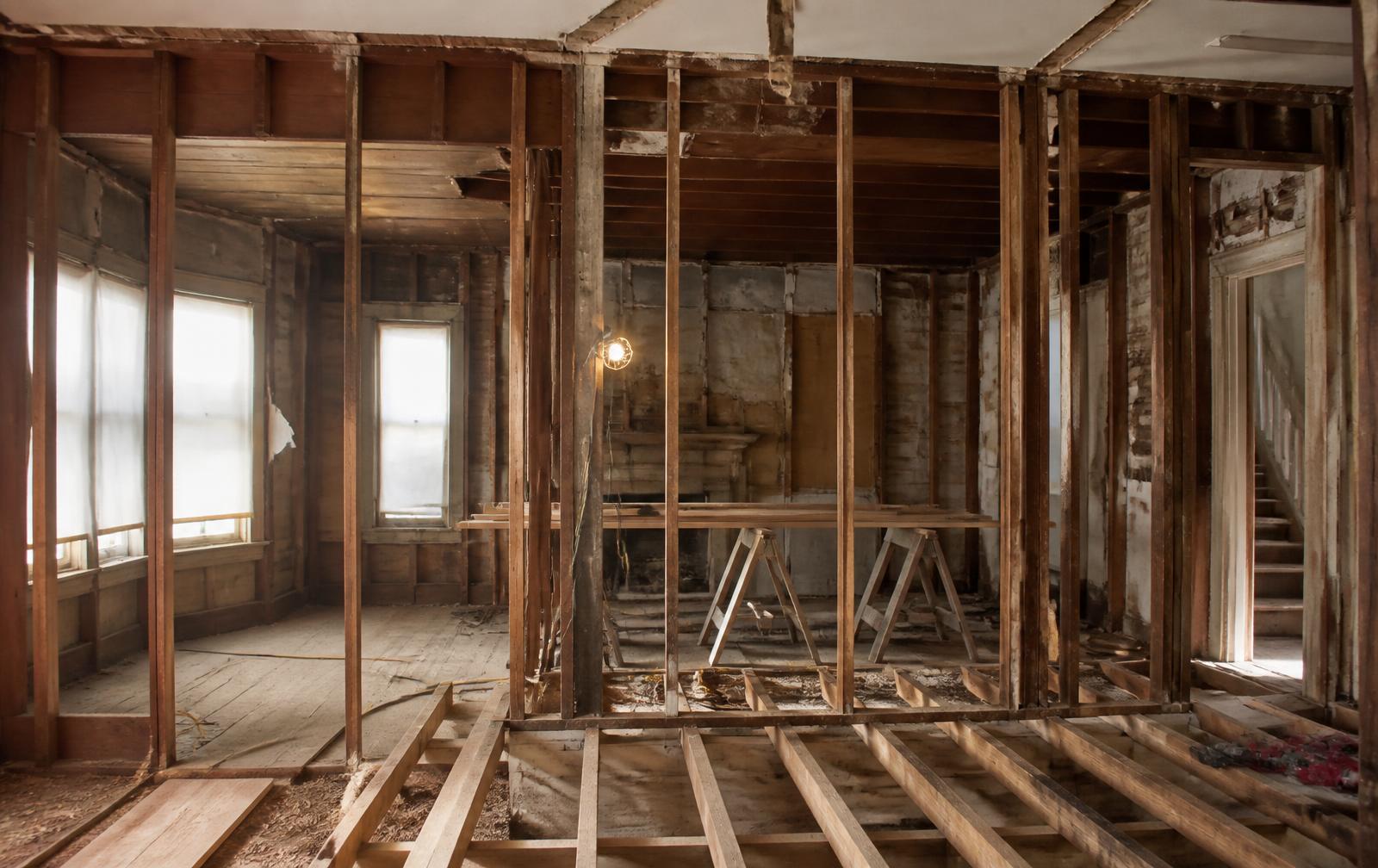
Sequence: structure, systems, envelope, finishes
In that order, without exception. Correct foundation and framing issues first, because everything else sits on them. Replace or upgrade electrical, plumbing, and HVAC while walls are open. Address the envelope — roof, windows, insulation, drainage. Finishes come last and are the only reversible category, which is why spending there first is the most common expensive mistake in the neighborhood.
Permits and review
Structural, electrical, plumbing, and mechanical work require permits through Mecklenburg County Code Enforcement, and unpermitted prior work surfaces at resale more often than owners expect. In designated historic areas, exterior changes visible from the street require a certificate of appropriateness. Neither process is fast; both are cheaper than the alternative.
Additions that read as original
The convention that works here is deference at the street and freedom at the back: keep the front facade, roofline, and porch intact, step the addition down or back so it reads as secondary, match eave heights and window proportions, and let interior planning be fully contemporary. Second-story additions succeed when the ridge stays subordinate to the block's silhouette.
Budgeting honestly
Old-house renovation budgets fail on discovery, not on design. Set a contingency you would be comfortable spending entirely, get a structural opinion before contract, pull permit history for the address, and require your builder to price systems as line items rather than allowances. Verify contractor licensure before signing anything.