Is standing water in a crawlspace normal?
No. It indicates a drainage or plumbing problem that should be diagnosed rather than covered.
Source: City of Charlotte
14 July 2025 · Maintenance · 3 min read
Water is the root cause of most expensive findings in pre-war Charlotte houses.
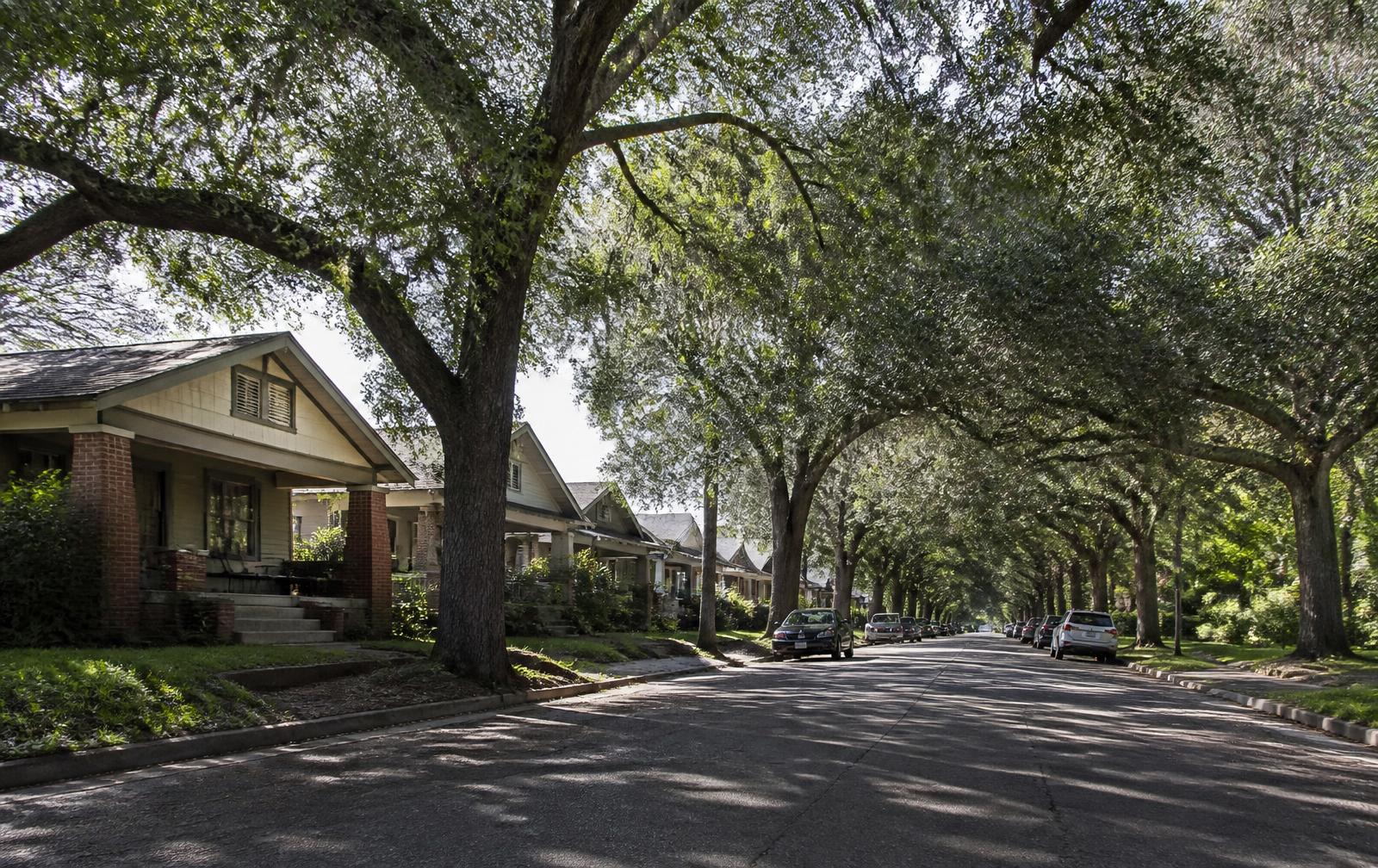
In high summer the neighborhood's two defining systems are both running at full capacity: the tree canopy that makes the residential grid walkable in the heat, and the evening economy along the corridor that makes it loud after nine. This week's entry is about keeping an old house sound. Water is the root cause of most expensive findings in pre-war Charlotte houses. Published 14 July 2025 as part of this guide's weekly record of Plaza Midwood, Charlotte, North Carolina.
Rot, mould, pest activity, foundation movement, failing floors, and poor indoor air in a pre-war house nearly always trace back to water that was not managed. That is good news, in a sense: the root cause is usually cheap to address relative to its consequences. It is bad news for owners who defer it, because each year of deferral raises the cost of everything downstream.
The highest-return work is almost always outside: positive grade away from the foundation, functioning gutters and downspouts, and discharge carried well clear of the house rather than dumped at the corner. Interior solutions applied while the exterior still funnels water at the foundation are treatment without diagnosis.
Vapor barriers, ventilation approach, and — in some cases — encapsulation are decisions that should follow from measurement rather than habit. What matters is that the space stays dry and that whatever assembly is chosen is installed completely. Half-done crawlspace work is common in this stock and often worse than none.
Everything above describes durable conditions — built form, street pattern, process, and where the public record lives — rather than prices, tenants, or anything else that changes month to month. Parcel-specific facts should be confirmed with the Mecklenburg County Assessor, land-use and permit questions with the City of Charlotte, school assignment with Charlotte-Mecklenburg Schools, and historic designation with the Charlotte Historic District Commission. This entry was published 14 July 2025; a new one publishes every week. Filed under maintenance.
Subjects
From the library · Maintenance
The archive
Frequently asked
No. It indicates a drainage or plumbing problem that should be diagnosed rather than covered.
Source: City of Charlotte
Charlotte-Mecklenburg Storm Water Services publishes requirements and guidance for drainage and stormwater on private property.
Source: City of Charlotte
Sources & verification
Figures and descriptions on this page are compiled from the public sources listed above and reviewed periodically. Conditions change; verify anything you plan to rely on with the responsible authority before acting.
Publisher-associated businesses
These businesses are associated with this guide's publisher, Nicholas and Miriam Peters — not independent recommendations. The full list is in the Business Services menu.
Custom builder & renovator
Infill construction, whole-house renovation, and additions on Charlotte's historic in-town lots.
Real estate advisory
Buyer and seller representation across Plaza Midwood, Charlotte, and the Carolinas.
Interior design
Interior architecture and furnishings for historic and newly built Charlotte homes.
Smart home & AV integration
Networking, lighting control, media, and security systems designed for older houses.
Related
Permits, additions, systems, and the realities of a hundred-year-old house.
Sewer scopes, knob-and-tube, crawlspaces, and the specialists to add.
Original fabric, recurring condition issues, and the designation question.
Scope tiers, discovery items, contingency sizing, and where money is best spent.