Are there regular arts events?
The neighborhood and the broader east side host recurring markets, festivals, and gallery events; schedules are published by the organizers each season.
9 June 2025 · Culture · 3 min read
The cultural layer is not decoration — it is part of why the real estate behaves the way it does.
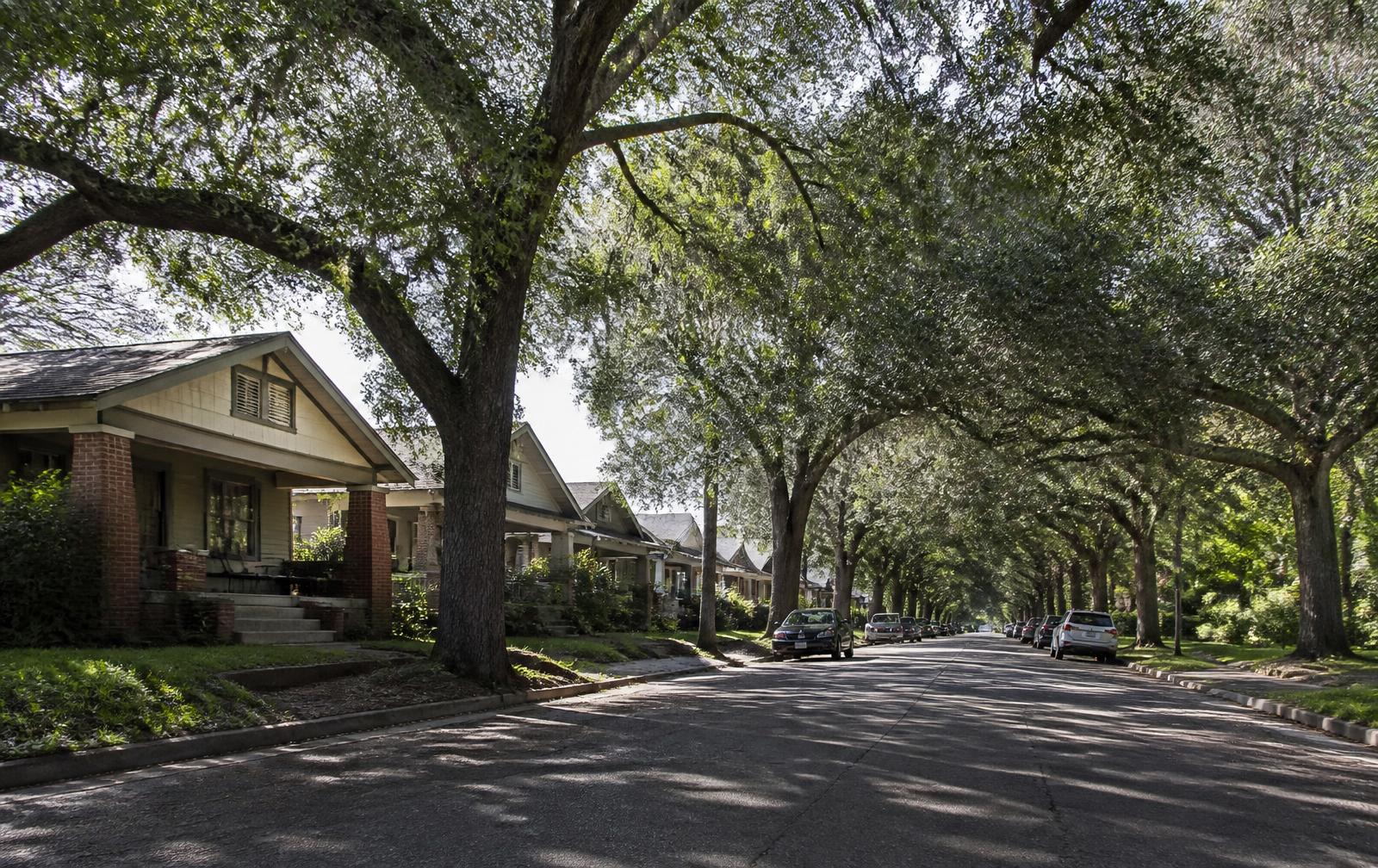
In high summer the neighborhood's two defining systems are both running at full capacity: the tree canopy that makes the residential grid walkable in the heat, and the evening economy along the corridor that makes it loud after nine. This week's entry is about the cultural layer that shapes demand here. The cultural layer is not decoration — it is part of why the real estate behaves the way it does. Published 9 June 2025 as part of this guide's weekly record of Plaza Midwood, Charlotte, North Carolina.
The blank side walls created by party-wall commercial construction are why Plaza Midwood has so much mural work: the building form supplied the canvases. That is a small example of a larger truth about the neighborhood — its cultural character grew out of its physical form and its historically low rents, not out of a branding exercise.
Live music here happens in small rooms, which shapes what kind of music can happen. Small rooms mean low guarantees, local acts, and formats that would not survive in a purpose-built venue. It also means the scene is fragile in the ordinary way that small businesses are fragile, and it changes with the corridor's economics.
The cultural layer is a genuine driver of demand for housing here, and it is the thing most vulnerable to the corridor's own success. Buyers deciding between Plaza Midwood and a quieter neighborhood are, in effect, pricing that layer. It is worth being honest with yourself about how much of it you actually want at the end of your street.
Everything above describes durable conditions — built form, street pattern, process, and where the public record lives — rather than prices, tenants, or anything else that changes month to month. Parcel-specific facts should be confirmed with the Mecklenburg County Assessor, land-use and permit questions with the City of Charlotte, school assignment with Charlotte-Mecklenburg Schools, and historic designation with the Charlotte Historic District Commission. This entry was published 9 June 2025; a new one publishes every week. Filed under culture.
Subjects
From the library · Culture
The archive
Frequently asked
The neighborhood and the broader east side host recurring markets, festivals, and gallery events; schedules are published by the organizers each season.
Much of it is not — walls are repainted and buildings change. That impermanence is part of how the neighborhood works.
Sources & verification
Figures and descriptions on this page are compiled from the public sources listed above and reviewed periodically. Conditions change; verify anything you plan to rely on with the responsible authority before acting.
Publisher-associated businesses
These businesses are associated with this guide's publisher, Nicholas and Miriam Peters — not independent recommendations. The full list is in the Business Services menu.
Custom builder & renovator
Infill construction, whole-house renovation, and additions on Charlotte's historic in-town lots.
Real estate advisory
Buyer and seller representation across Plaza Midwood, Charlotte, and the Carolinas.
Interior design
Interior architecture and furnishings for historic and newly built Charlotte homes.
Smart home & AV integration
Networking, lighting control, media, and security systems designed for older houses.
Related
The mural corridor, creative businesses, and small-room live music.
Murals, markets, festivals, and a month-by-month calendar.
Neighborhood gatherings, corridor events, and venue programming.
Walkability, daily rhythm, dogs, porches, and neighbors.