How old are most Plaza Midwood houses?
The dominant stock dates from roughly the 1910s through the 1940s, with mid-century and contemporary infill throughout.
Source: City of Charlotte
5 May 2025 · History · 3 min read
A streetcar suburb, a mill-adjacent workforce, decades of decline, and a very particular kind of recovery.
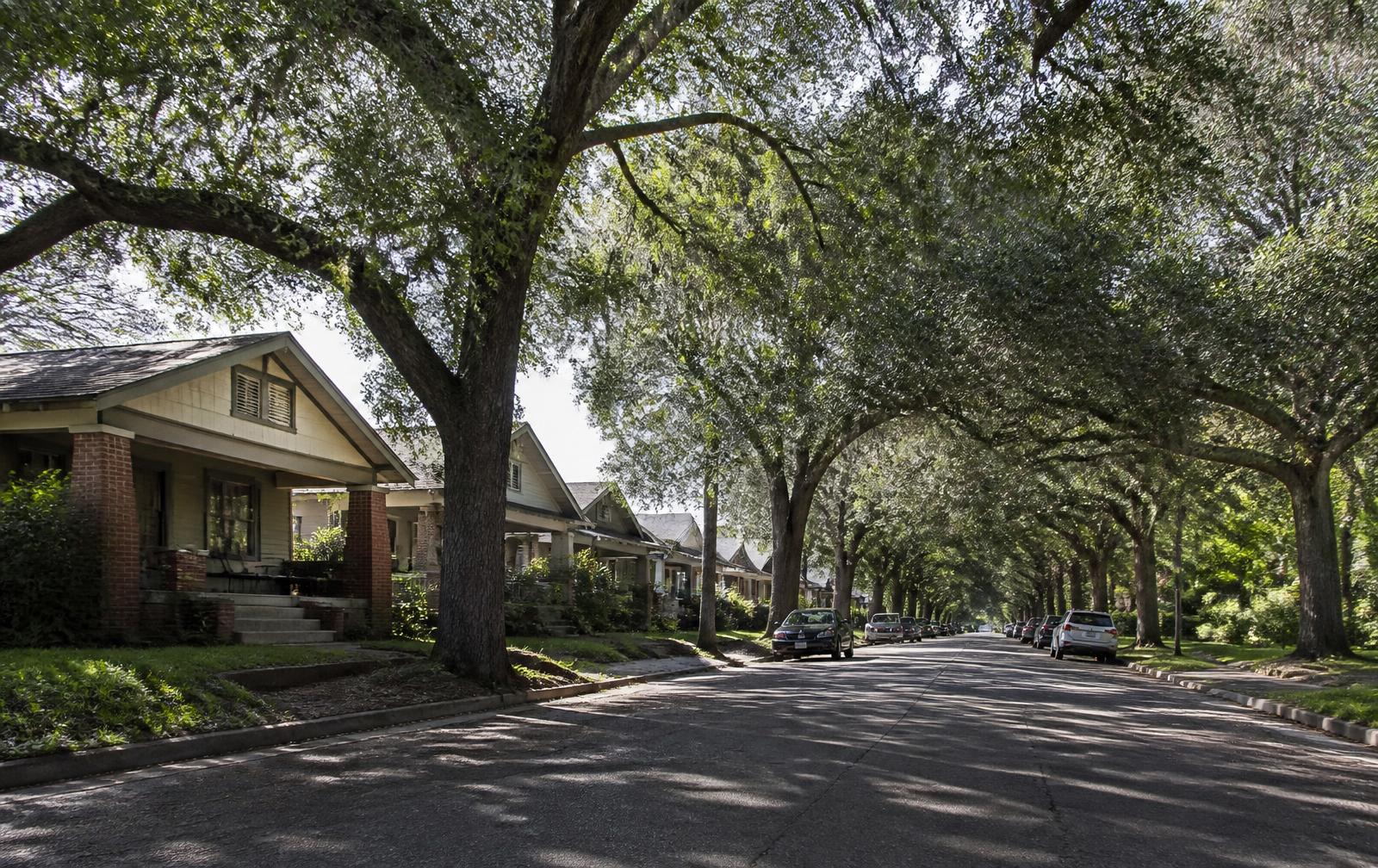
Spring is when Plaza Midwood is easiest to misjudge. The canopy fills in, the patios reopen, and every block looks like its best self — which is exactly why this is the season to be deliberate about what you are actually looking at. This week's entry is about how the neighborhood got here. A streetcar suburb, a mill-adjacent workforce, decades of decline, and a very particular kind of recovery. Published 5 May 2025 as part of this guide's weekly record of Plaza Midwood, Charlotte, North Carolina.
Plaza Midwood was laid out in the early twentieth century as a streetcar suburb: a walkable grid organized around a commercial spine and a residential boulevard, with lot sizes and house types aimed at a range of household incomes rather than a single tier. That original programming — small lots, mixed types, a main street at the centre — is precisely what makes the neighborhood valuable a century later.
Like most in-town Charlotte neighborhoods, Plaza Midwood went through decades of disinvestment as the region built outward. The consequence, paradoxically, is the neighborhood's greatest asset: the housing stock was not replaced during those decades because there was no money to replace it. What survived is a coherent pre-war fabric that newer parts of the city cannot manufacture.
The reinvestment that followed came in through small operators, individual renovations, and the arts rather than through a master plan. That history explains the neighborhood's character — the murals, the tolerance for oddity, the mix of price points on a single block — and it also explains the tension in current debates about redevelopment on the corridor. Local history collections at the Charlotte Mecklenburg Library hold the primary material for anyone who wants the detail.
Everything above describes durable conditions — built form, street pattern, process, and where the public record lives — rather than prices, tenants, or anything else that changes month to month. Parcel-specific facts should be confirmed with the Mecklenburg County Assessor, land-use and permit questions with the City of Charlotte, school assignment with Charlotte-Mecklenburg Schools, and historic designation with the Charlotte Historic District Commission. This entry was published 5 May 2025; a new one publishes every week. Filed under history.
Subjects
From the library · History
The archive
Frequently asked
The dominant stock dates from roughly the 1910s through the 1940s, with mid-century and contemporary infill throughout.
Source: City of Charlotte
The neighborhood developed in Charlotte's streetcar era and its layout reflects that; the historical record is documented in local library and historic-landmarks collections.
Source: CityLYNX Gold Line streetcar
Sources & verification
Figures and descriptions on this page are compiled from the public sources listed above and reviewed periodically. Conditions change; verify anything you plan to rely on with the responsible authority before acting.
Publisher-associated businesses
These businesses are associated with this guide's publisher, Nicholas and Miriam Peters — not independent recommendations. The full list is in the Business Services menu.
Custom builder & renovator
Infill construction, whole-house renovation, and additions on Charlotte's historic in-town lots.
Real estate advisory
Buyer and seller representation across Plaza Midwood, Charlotte, and the Carolinas.
Interior design
Interior architecture and furnishings for historic and newly built Charlotte homes.
Smart home & AV integration
Networking, lighting control, media, and security systems designed for older houses.
Related
1900s streetcar suburb to today — the eras that built the grid.
Original fabric, recurring condition issues, and the designation question.
Reading facades, materials, and a century of building eras.
The full authority hub linking every section of this guide.