Where do I find my assessed value?
Mecklenburg County's property record search publishes assessed value, ownership, and characteristics for every parcel.
Source: Mecklenburg County Assessor's Office property records
19 May 2025 · Money · 3 min read
How assessment, revaluation, and rates interact — and what a buyer should actually plan for.
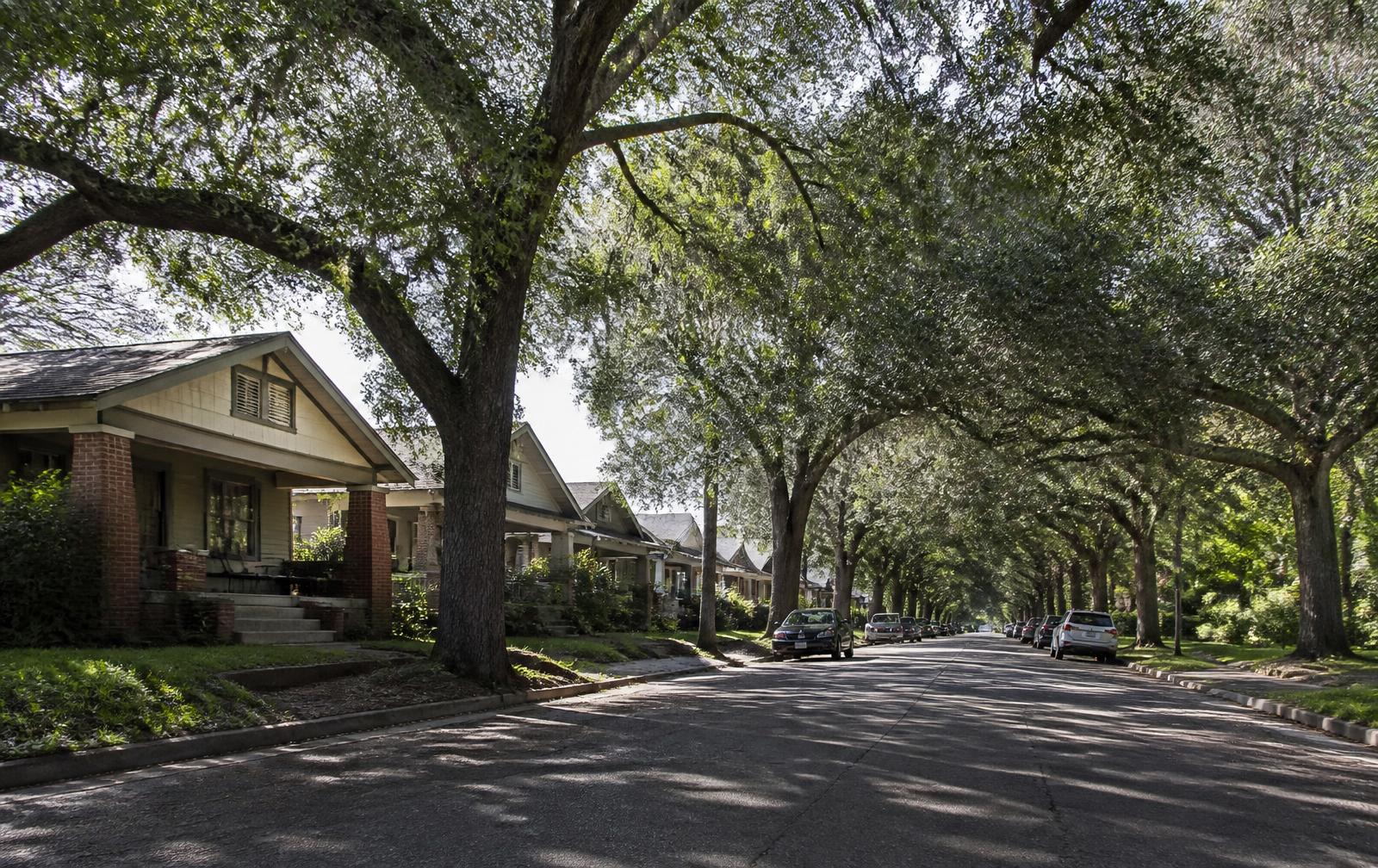
Spring is when Plaza Midwood is easiest to misjudge. The canopy fills in, the patios reopen, and every block looks like its best self — which is exactly why this is the season to be deliberate about what you are actually looking at. This week's entry is about the numbers behind owning here. How assessment, revaluation, and rates interact — and what a buyer should actually plan for. Published 19 May 2025 as part of this guide's weekly record of Plaza Midwood, Charlotte, North Carolina.
Your bill is the product of an assessed value set by Mecklenburg County and a rate set by the county and the city. The two move independently, which is why a revaluation year can change bills sharply even when rates are adjusted. Understanding that separation prevents the most common budgeting error: assuming that the previous owner's bill will be your bill.
In a neighborhood where values have moved faster than the county average, revaluation tends to produce above-average increases. Buyers in Plaza Midwood should look at the assessment cycle, not just the current bill, when modelling carrying costs — particularly if they are buying near the top of their budget.
Property owners can appeal an assessment they believe is incorrect, within published deadlines, and several exemption and deferment programs exist for qualifying owners. Both are administered by the county, which publishes the current process, forms, and deadlines. Neither is automatic — they require the owner to act.
Everything above describes durable conditions — built form, street pattern, process, and where the public record lives — rather than prices, tenants, or anything else that changes month to month. Parcel-specific facts should be confirmed with the Mecklenburg County Assessor, land-use and permit questions with the City of Charlotte, school assignment with Charlotte-Mecklenburg Schools, and historic designation with the Charlotte Historic District Commission. This entry was published 19 May 2025; a new one publishes every week. Filed under money.
Subjects
From the library · Money
The archive
Frequently asked
Mecklenburg County's property record search publishes assessed value, ownership, and characteristics for every parcel.
Source: Mecklenburg County Assessor's Office property records
Mecklenburg County conducts periodic revaluations on a published schedule; check the county assessor for the current cycle and dates.
Source: Mecklenburg County Assessor's Office property records
Sources & verification
Figures and descriptions on this page are compiled from the public sources listed above and reviewed periodically. Conditions change; verify anything you plan to rely on with the responsible authority before acting.
Publisher-associated businesses
These businesses are associated with this guide's publisher, Nicholas and Miriam Peters — not independent recommendations. The full list is in the Business Services menu.
Custom builder & renovator
Infill construction, whole-house renovation, and additions on Charlotte's historic in-town lots.
Real estate advisory
Buyer and seller representation across Plaza Midwood, Charlotte, and the Carolinas.
Interior design
Interior architecture and furnishings for historic and newly built Charlotte homes.
Smart home & AV integration
Networking, lighting control, media, and security systems designed for older houses.
Related
Mecklenburg assessment, revaluation, appeals, and older-home carrying costs.
What sets price in 28205, and which data sources to trust.
Preparation, North Carolina due diligence, and inspections for pre-war houses.
Fixed supply, rental demand, value-add math, and the regulatory checks to run.