This week in Plaza Midwood
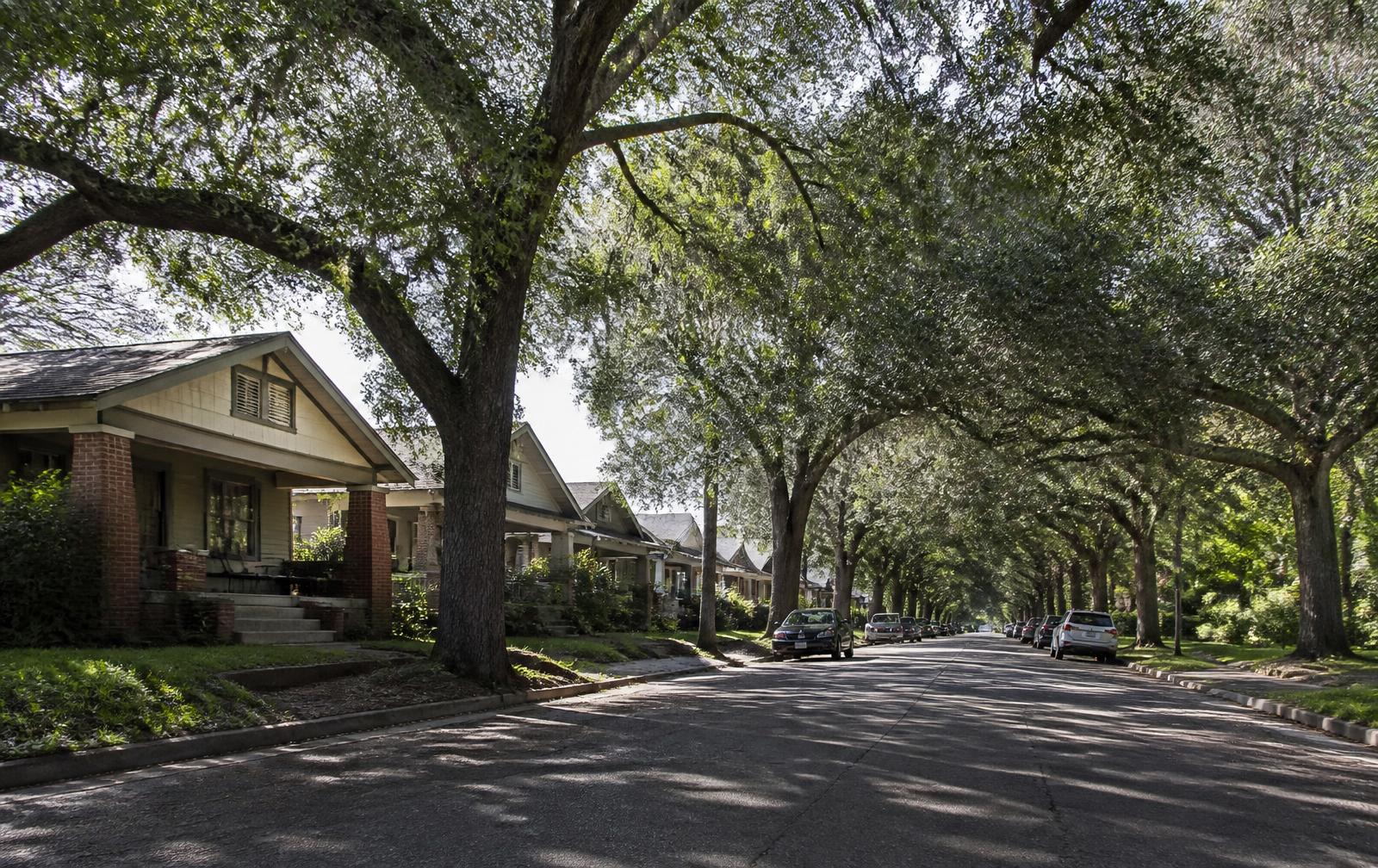
In high summer the neighborhood's two defining systems are both running at full capacity: the tree canopy that makes the residential grid walkable in the heat, and the evening economy along the corridor that makes it loud after nine. This week's entry is about new construction in an old context. Tight sites, protected trees, and neighbors twenty feet away change the number. Published 30 June 2025 as part of this guide's weekly record of Plaza Midwood, Charlotte, North Carolina.
Site constraints are a line item
Building on a narrow in-town lot costs more per square foot than building on an open suburban site, and the reasons are physical: limited staging and material storage, restricted crane and truck access, tree protection requirements, utility relocations, and neighbor management. None of these show up in a per-square-foot benchmark drawn from a subdivision, which is why those benchmarks mislead here.
Design fees are not the place to save
On constrained lots, design work is what converts a difficult site into a good house. Under-investing there produces a house that fits the lot badly and costs more to build because the drawings did not resolve the hard parts. The order that works is: survey and constraints first, design second, budget third — not the reverse.
Allow for the unknowns of old infrastructure
Sewer laterals, water services, and electrical service in a century-old neighborhood are frequently older than the code that governs their replacement. Discovering that during construction is expensive; discovering it during due diligence is merely a number. A contingency sized for in-town conditions, not suburban ones, is the practical protection.
How to verify anything here
Everything above describes durable conditions — built form, street pattern, process, and where the public record lives — rather than prices, tenants, or anything else that changes month to month. Parcel-specific facts should be confirmed with the Mecklenburg County Assessor, land-use and permit questions with the City of Charlotte, school assignment with Charlotte-Mecklenburg Schools, and historic designation with the Charlotte Historic District Commission. This entry was published 30 June 2025; a new one publishes every week. Filed under building.