Are short-term rentals allowed?
Regulation of short-term rentals in Charlotte has evolved and continues to; check the City of Charlotte's current ordinance for the specific property and use.
23 June 2025 · Investing · 3 min read
The maintenance curve, the tenant pool, and the regulatory facts to check first.
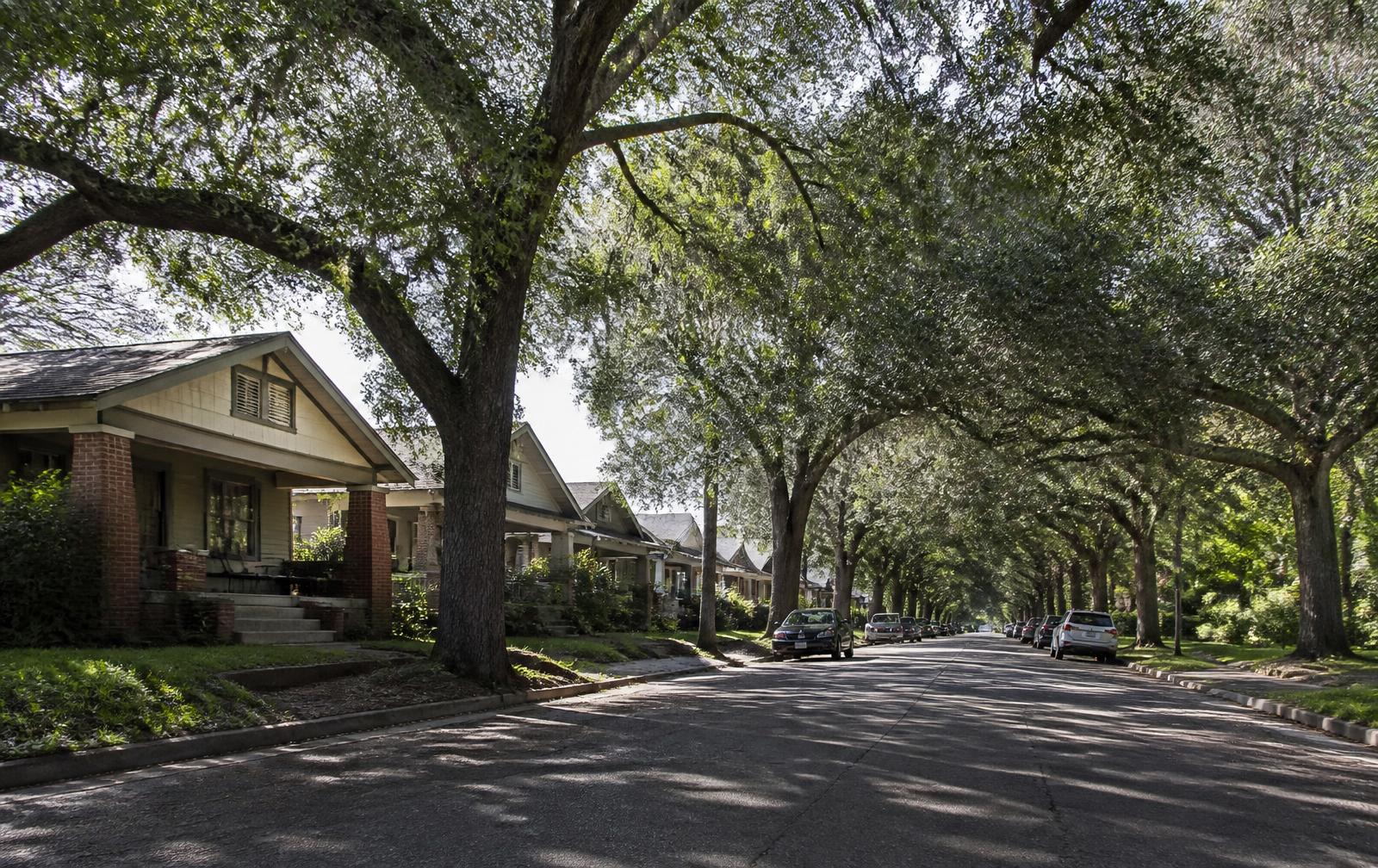
In high summer the neighborhood's two defining systems are both running at full capacity: the tree canopy that makes the residential grid walkable in the heat, and the evening economy along the corridor that makes it loud after nine. This week's entry is written for owners treating property as an investment. The maintenance curve, the tenant pool, and the regulatory facts to check first. Published 23 June 2025 as part of this guide's weekly record of Plaza Midwood, Charlotte, North Carolina.
Pre-war stock carries a different capital expenditure profile than newer construction: roofs, windows, foundations, drainage, and systems arrive on a schedule that a spreadsheet built on newer comparables will understate. Investors who do well in this stock underwrite a realistic reserve from the beginning; those who do not spend the first three years surprised.
This neighborhood attracts tenants who want walkability and character and who are relatively tolerant of the quirks that come with old houses. That is a durable demand pool, but it is not indifferent to condition — deferred maintenance shows immediately in an old house and turns over tenants faster than it would elsewhere.
Zoning use permissions, short-term rental regulation, occupancy rules, and, on designated properties, historic review all constrain what an investor can do. These change over time and are published by the City of Charlotte. Verify current rules for the specific parcel and intended use before underwriting anything that depends on them.
Everything above describes durable conditions — built form, street pattern, process, and where the public record lives — rather than prices, tenants, or anything else that changes month to month. Parcel-specific facts should be confirmed with the Mecklenburg County Assessor, land-use and permit questions with the City of Charlotte, school assignment with Charlotte-Mecklenburg Schools, and historic designation with the Charlotte Historic District Commission. This entry was published 23 June 2025; a new one publishes every week. Filed under investing.
Subjects
From the library · Investing
The archive
Frequently asked
Regulation of short-term rentals in Charlotte has evolved and continues to; check the City of Charlotte's current ordinance for the specific property and use.
It depends on the zoning district and the existing structure. Some of the neighborhood's older stock is already multi-family; new conversions are governed by current zoning.
Sources & verification
Figures and descriptions on this page are compiled from the public sources listed above and reviewed periodically. Conditions change; verify anything you plan to rely on with the responsible authority before acting.
Publisher-associated businesses
These businesses are associated with this guide's publisher, Nicholas and Miriam Peters — not independent recommendations. The full list is in the Business Services menu.
Custom builder & renovator
Infill construction, whole-house renovation, and additions on Charlotte's historic in-town lots.
Real estate advisory
Buyer and seller representation across Plaza Midwood, Charlotte, and the Carolinas.
Interior design
Interior architecture and furnishings for historic and newly built Charlotte homes.
Smart home & AV integration
Networking, lighting control, media, and security systems designed for older houses.
Related
Fixed supply, rental demand, value-add math, and the regulatory checks to run.
Apartments, duplexes, ADUs, what drives rent, and short-term rental rules.
Mecklenburg assessment, revaluation, appeals, and older-home carrying costs.
Values, appreciation, days on market, and what drives price per square foot.