Is there grocery access within walking distance?
Grocery options in and adjacent to the neighborhood have changed over time; check current options for the specific block you are considering.
29 September 2025 · Daily life · 3 min read
Shallow storefronts and independent operators are two sides of the same fact.
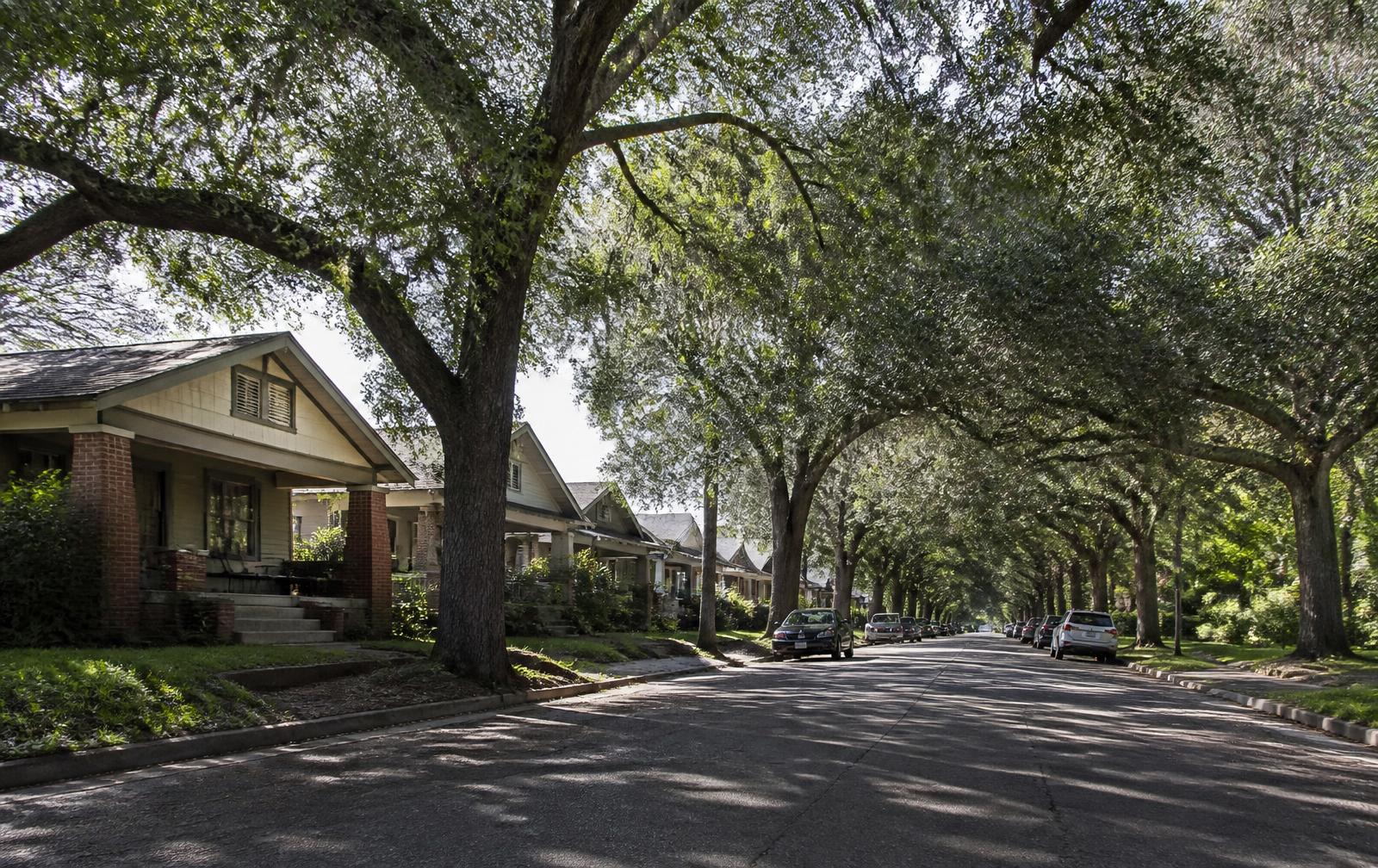
Autumn is the neighborhood's most balanced season — the district is busy without being at its peak, the canopy is still working, and blocks read honestly. It is a good time of year to test assumptions about a street. This week's entry is about what living here is actually like. Shallow storefronts and independent operators are two sides of the same fact. Published 29 September 2025 as part of this guide's weekly record of Plaza Midwood, Charlotte, North Carolina.
Storefront depth, ceiling height, loading access, and the absence of dedicated parking all constrain which retail formats can physically operate on the corridor. Those constraints filter out most national formats and leave space for small independents — vintage, records, books, specialty goods, services. The neighborhood's retail character is, in large part, a consequence of its building stock.
Retail here depends on walking customers generated by the food and drink density and by residents within a few blocks. That interdependence means the retail mix is sensitive to anything that changes pedestrian volume — construction, parking changes, or a shift in the evening economy — in ways that a mall tenant would never experience.
For people living within the walkshed, this produces genuinely useful daily convenience of a kind most Charlotte neighborhoods do not have. It also means that the shops change. Treating the mix as a moving picture rather than a fixed list is the accurate way to think about it.
Everything above describes durable conditions — built form, street pattern, process, and where the public record lives — rather than prices, tenants, or anything else that changes month to month. Parcel-specific facts should be confirmed with the Mecklenburg County Assessor, land-use and permit questions with the City of Charlotte, school assignment with Charlotte-Mecklenburg Schools, and historic designation with the Charlotte Historic District Commission. This entry was published 29 September 2025; a new one publishes every week. Filed under daily life.
Subjects
From the library · Daily life
The archive
Frequently asked
Grocery options in and adjacent to the neighborhood have changed over time; check current options for the specific block you are considering.
Largely because the buildings are shallow, parking is limited, and the spaces are small — physical constraints that most national formats cannot accommodate.
Sources & verification
Figures and descriptions on this page are compiled from the public sources listed above and reviewed periodically. Conditions change; verify anything you plan to rely on with the responsible authority before acting.
Publisher-associated businesses
These businesses are associated with this guide's publisher, Nicholas and Miriam Peters — not independent recommendations. The full list is in the Business Services menu.
Custom builder & renovator
Infill construction, whole-house renovation, and additions on Charlotte's historic in-town lots.
Real estate advisory
Buyer and seller representation across Plaza Midwood, Charlotte, and the Carolinas.
Interior design
Interior architecture and furnishings for historic and newly built Charlotte homes.
Smart home & AV integration
Networking, lighting control, media, and security systems designed for older houses.
Related
Vintage, records, books, plants, and independent retail.
The commercial spine: what is on it, how it developed, and living near it.
Murals, markets, festivals, and a month-by-month calendar.
Walkability, daily rhythm, dogs, porches, and neighbors.