This week in Plaza Midwood
Autumn is the neighborhood's most balanced season — the district is busy without being at its peak, the canopy is still working, and blocks read honestly. It is a good time of year to test assumptions about a street. This week's entry is about the buildings themselves. The reason these blocks feel neighborly is architectural, not cultural. Published 13 October 2025 as part of this guide's weekly record of Plaza Midwood, Charlotte, North Carolina.
Depth and height do the work
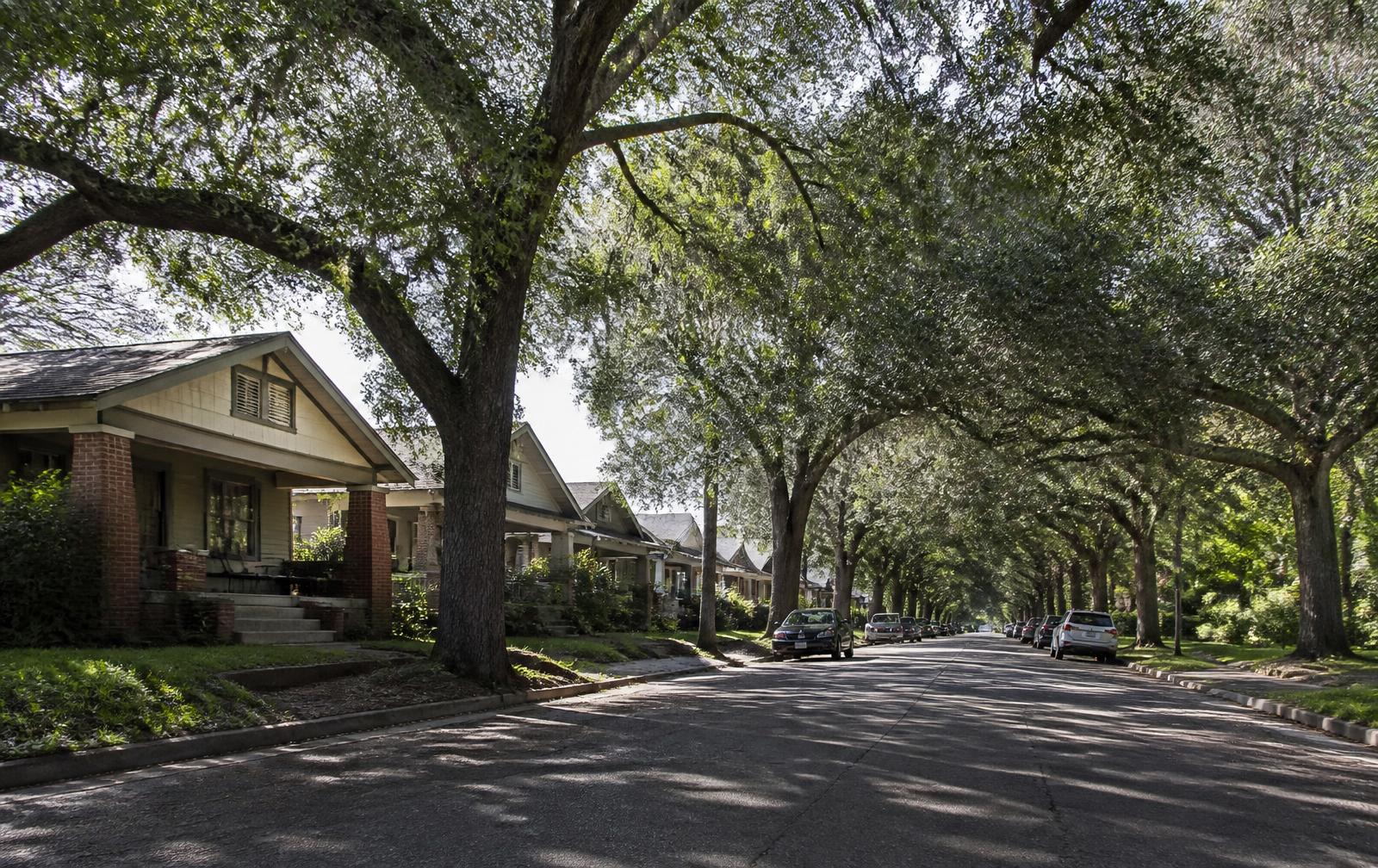
A porch deep enough to hold furniture and raised a few steps above the sidewalk creates a space that is simultaneously private and public — occupants can sit comfortably while remaining part of the street. Shallower porches, or porches at grade, do not produce the same behaviour. The pre-war builders here got the dimensions right, and the social effect is still measurable a century later.
Short setbacks close the gap
The other half of the equation is distance to the sidewalk. When the porch is twenty feet from a passing neighbor rather than sixty, conversation happens without effort. This is why the pre-war grid feels sociable and why later subdivisions with deeper setbacks, whatever their porches, generally do not.
What that means for renovation
Enclosing a front porch for square footage is the most common way owners accidentally remove their house's best feature — and, on designated properties, the change most likely to require review. Where more interior space is genuinely needed, the rear is nearly always the better answer.
How to verify anything here
Everything above describes durable conditions — built form, street pattern, process, and where the public record lives — rather than prices, tenants, or anything else that changes month to month. Parcel-specific facts should be confirmed with the Mecklenburg County Assessor, land-use and permit questions with the City of Charlotte, school assignment with Charlotte-Mecklenburg Schools, and historic designation with the Charlotte Historic District Commission. This entry was published 13 October 2025; a new one publishes every week. Filed under architecture.