Is all of Plaza Midwood historically designated?
No. Designation covers part of the neighborhood; confirm a specific address with the Charlotte Historic District Commission.
15 September 2025 · Neighborhood · 3 min read
Growth pressure and preservation are not opposites here — but they do require deliberate choices.
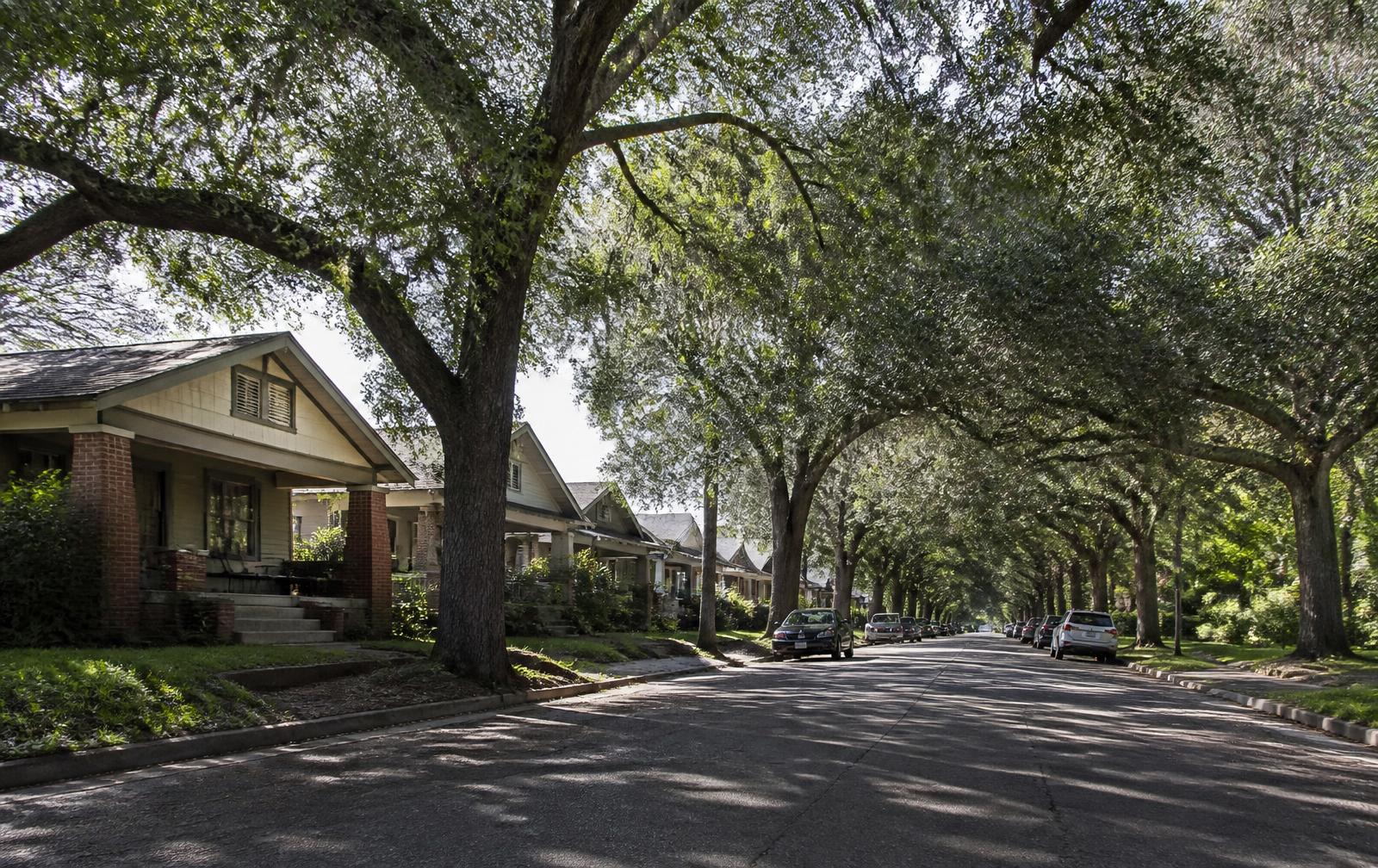
Autumn is the neighborhood's most balanced season — the district is busy without being at its peak, the canopy is still working, and blocks read honestly. It is a good time of year to test assumptions about a street. This week's entry is about how the neighborhood governs its own change. Growth pressure and preservation are not opposites here — but they do require deliberate choices. Published 15 September 2025 as part of this guide's weekly record of Plaza Midwood, Charlotte, North Carolina.
An in-town neighborhood with a walkable main street, mature canopy, and coherent pre-war housing is, in market terms, an extremely scarce product in a growing city. That scarcity produces sustained redevelopment pressure. Pretending otherwise does not help; understanding where the pressure has physical room to act is what allows anyone to plan.
Local historic district designation, zoning, the tree ordinance, and the rezoning process are the real instruments. Each has specific scope and specific limits — designation governs exterior changes on designated properties, zoning governs use and envelope, the tree ordinance governs canopy during development. Knowing which tool applies to a given concern is the difference between effective participation and frustration.
Rezoning hearings, historic district commission meetings, and neighborhood association meetings are published and open. Residents who want to influence outcomes have far more leverage at the petition stage than after approval. The City of Charlotte and the Historic District Commission both publish current agendas and schedules.
Everything above describes durable conditions — built form, street pattern, process, and where the public record lives — rather than prices, tenants, or anything else that changes month to month. Parcel-specific facts should be confirmed with the Mecklenburg County Assessor, land-use and permit questions with the City of Charlotte, school assignment with Charlotte-Mecklenburg Schools, and historic designation with the Charlotte Historic District Commission. This entry was published 15 September 2025; a new one publishes every week. Filed under neighborhood.
Subjects
From the library · Neighborhood
The archive
Frequently asked
No. Designation covers part of the neighborhood; confirm a specific address with the Charlotte Historic District Commission.
It subjects exterior changes and demolition on designated properties to review, which is not the same as an absolute prohibition. The commission publishes its current procedures.
Sources & verification
Figures and descriptions on this page are compiled from the public sources listed above and reviewed periodically. Conditions change; verify anything you plan to rely on with the responsible authority before acting.
Publisher-associated businesses
These businesses are associated with this guide's publisher, Nicholas and Miriam Peters — not independent recommendations. The full list is in the Business Services menu.
Custom builder & renovator
Infill construction, whole-house renovation, and additions on Charlotte's historic in-town lots.
Real estate advisory
Buyer and seller representation across Plaza Midwood, Charlotte, and the Carolinas.
Interior design
Interior architecture and furnishings for historic and newly built Charlotte homes.
Smart home & AV integration
Networking, lighting control, media, and security systems designed for older houses.
Related
Original fabric, recurring condition issues, and the designation question.
1900s streetcar suburb to today — the eras that built the grid.
Chantilly, Commonwealth Park, Midwood, Oakhurst and the pockets between them.
Reading facades, materials, and a century of building eras.