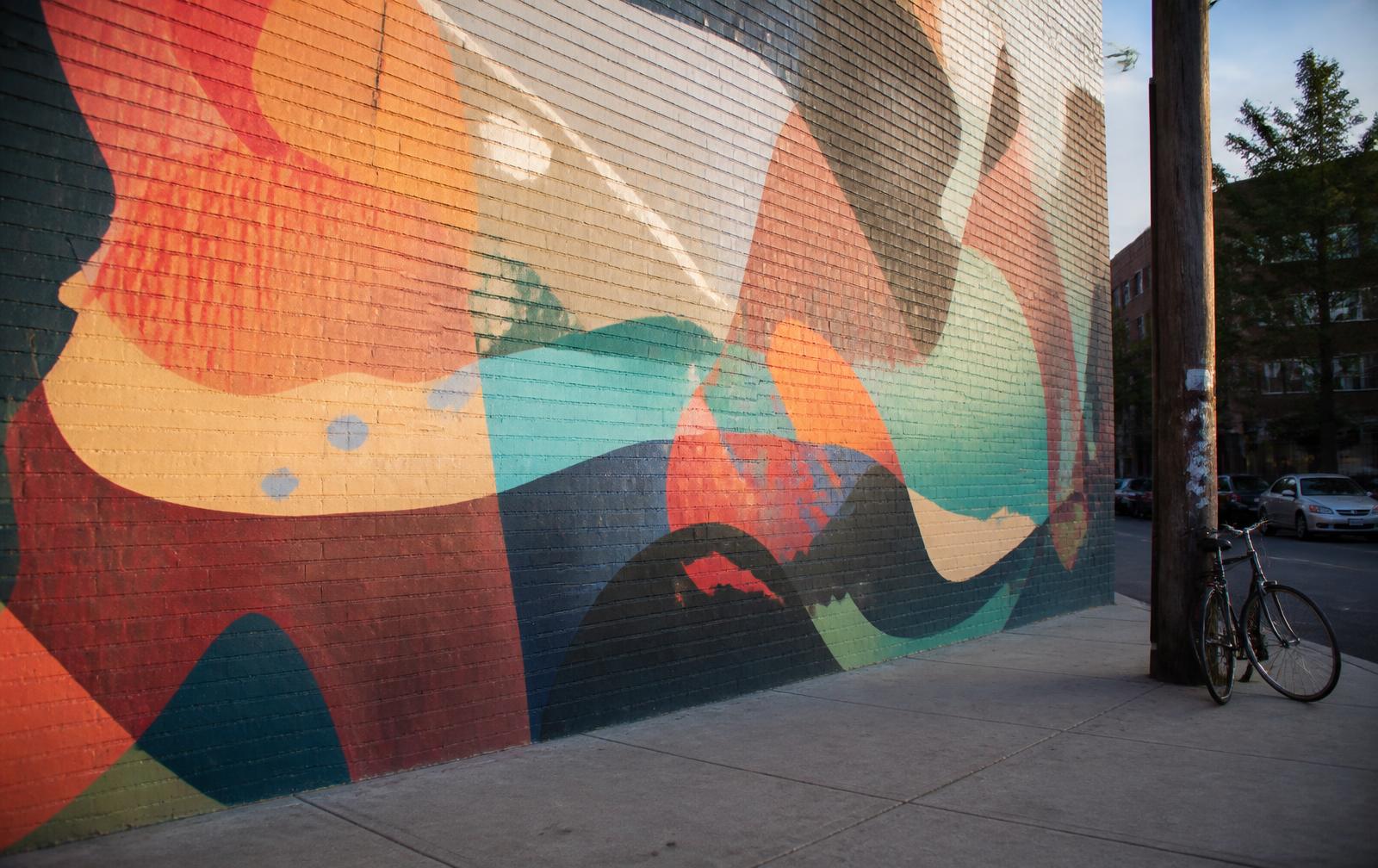
A boulevard, not a strip
The Plaza was laid out with a wider right-of-way than the neighborhood's ordinary residential streets, and it developed accordingly: deeper lots, larger houses, and a tree canopy that reads as a corridor of its own. Where Central Avenue is a place to stop, The Plaza is largely a place to move through — which is why its commercial life clusters at the intersections rather than lining the street.
The housing along it
Some of the neighborhood's most substantial period houses front The Plaza: larger Colonial Revival and Craftsman houses, brick and stucco examples, and a scattering of grander early-twentieth-century homes that were built as statement addresses. Fronting a busier road is the trade — buyers get more house and more lot for the money than an equivalent property on a quiet interior block, and accept traffic noise and a harder time backing out of a driveway.
Commercial nodes
Activity concentrates where The Plaza meets cross streets, most importantly at Central Avenue, which functions as the practical center of the neighborhood. Smaller clusters of businesses appear at other intersections north and south. Because these nodes are separated, The Plaza does not deliver the continuous storefront walk that Central Avenue does.
Crossing and connectivity
The Plaza connects the neighborhood north toward the Villa Heights and NoDa side of the city and south toward Commonwealth and the Independence corridor, which makes it a commuting route as well as a residential street. For pedestrians, that means crossing at signals and treating the corridor with the same caution as Central Avenue. For drivers, it is the fastest north–south move through the neighborhood.
How it shapes the market
The Plaza's houses form their own micro-market inside Plaza Midwood. They rarely comp cleanly against interior-block bungalows because of size, lot, and road exposure, and they attract a buyer specifically looking for a larger period house within the neighborhood. The street-level and community directories on this site cover the surrounding blocks in more detail.