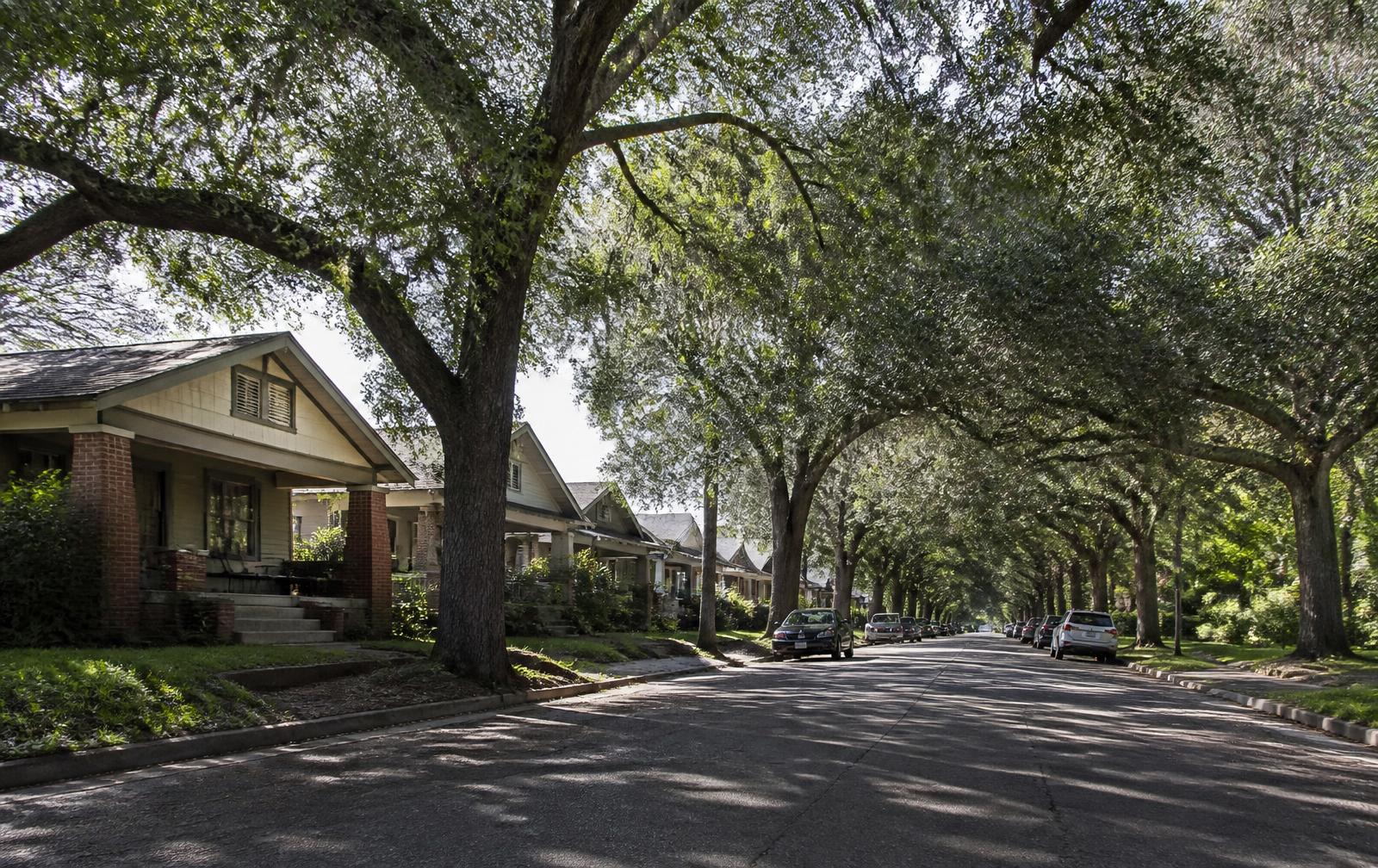
What the 1700 block of commonwealth avenue actually is
Commonwealth Avenue runs through the neighborhood's widest range of building eras — 1920s bungalows, post-war ranches, split-levels, and, at several nodes, recent mixed-use construction that put restaurants and ground-floor retail into what had been purely residential frontage. That combination is why searches for this corridor return such different results depending on the block. The residential stretches are quiet and canopy-heavy; the commercial nodes behave like small extensions of the Central Avenue district.
Walking, parking, and transit
Ten to fifteen minutes to the Central Avenue core, with a nearer set of Commonwealth destinations for residents on this side of the neighborhood.
What it means for buyers nearby
Lots here are generally larger than in the Midwood core with a corresponding step down in price per square foot. Off-street parking is far more common, which matters more than most buyers expect in a pre-war neighborhood.
Verifying anything parcel-specific
This page describes a block, not a parcel. Ownership, year built, heated square footage, lot dimensions, assessed value, and sale history for any address on Commonwealth Avenue are public record through the Mecklenburg County Assessor. Zoning, overlay districts, and any pending rezoning petition are published by the City of Charlotte, and local historic district designation — which triggers exterior design review — is confirmed through the Charlotte Historic District Commission. Confirm all four before making an offer or drawing plans; nothing on this page substitutes for those records.
Why occupancy is not listed here
Central Avenue and The Plaza carry one of Charlotte's highest concentrations of independent, owner-operated businesses, and independent operators move, expand, and close on a faster cycle than any editorial page can track. Naming a tenant at a street number would make this page wrong within a year and useful to no one. The built form — setback, storefront depth, party walls, curb cuts, parking position — is the durable characteristic, and it is what determines how the block feels to walk and what can plausibly be built or tenanted there next.