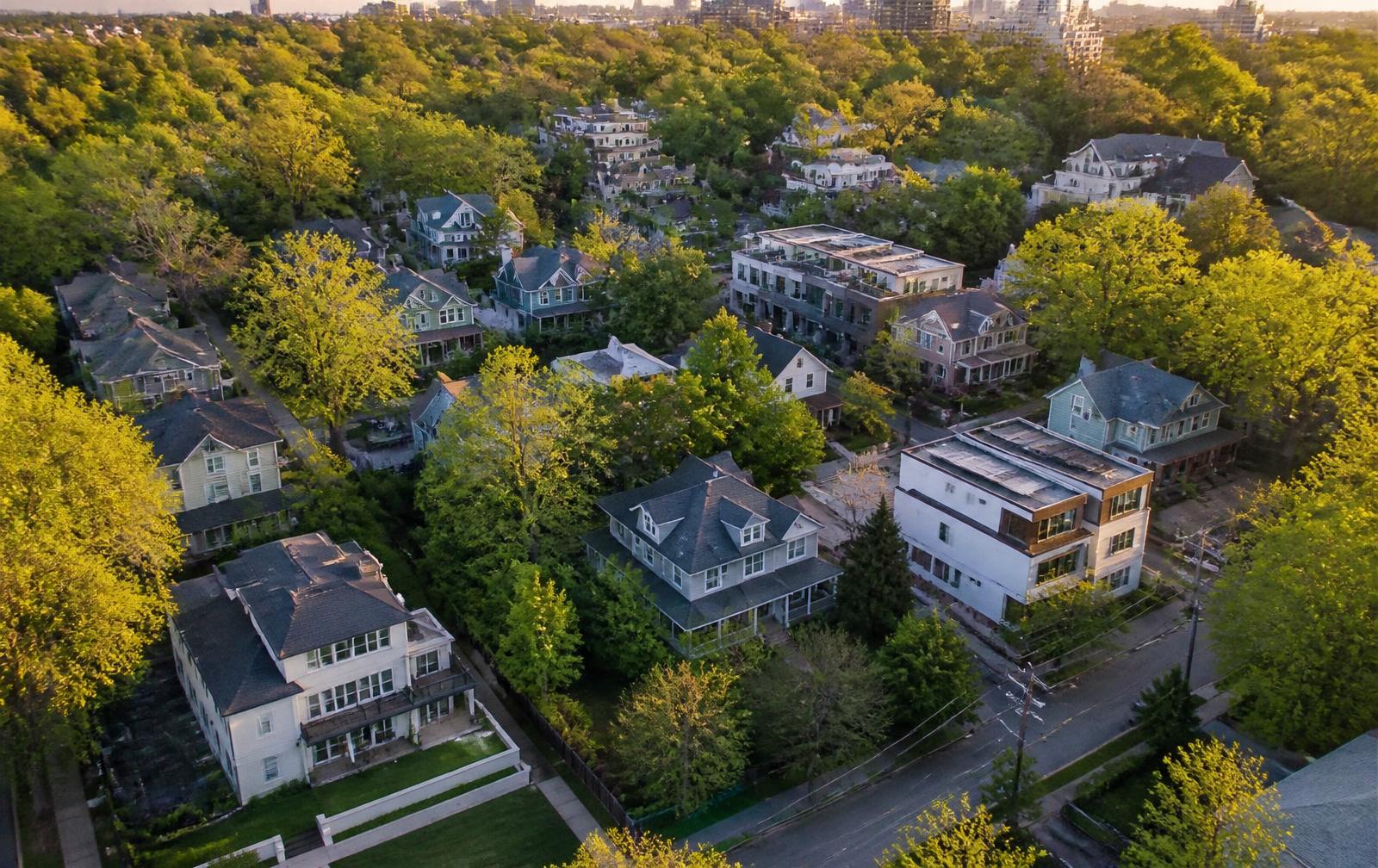
Character of Midwood Bungalow Court
Nine small cottages facing a common green — a housing type Charlotte built briefly in the 1920s and almost never again. Highly protected, rarely available, and disproportionately influential on how the neighborhood thinks about density.
What sits nearby
Residents of Midwood Bungalow Court are within easy reach of Midwood Park, Central Avenue. Distances in Plaza Midwood are short enough that most daily errands and dining happen on foot or by a very brief drive.
Buying here
Midwood Bungalow Court trades in the attached entry band, with condition and renovation depth accounting for most of the spread between comparable homes. Verify parcel details, permit history, and any historic-district designation for a specific address before assuming a scope of work is approvable.
What 1920s construction means for owners
The building period here — 1920s — sets the maintenance calendar more than any other single factor. Housing of this vintage in Charlotte typically carries original framing and roof structure, drainage designed for a different rainfall standard, and mechanical systems that have been replaced at least once. Inspections that matter most are structural, sewer-line, roof, and electrical service capacity. Mecklenburg County's property record and the City of Charlotte's permit history together tell you which of those have already been addressed on a given parcel.
Ownership costs and property tax
Ad valorem property tax in Midwood Bungalow Court is assessed by Mecklenburg County and billed jointly with the City of Charlotte rate; revaluation is conducted by the county on its published cycle rather than at sale, so a purchase price above the last assessed value does not immediately change the bill. Insurance on historic enclave property of this era is priced heavily on roof age and electrical service. Confirm current rates and assessed value directly with Mecklenburg County rather than relying on aggregate estimates.
How this compares inside Plaza Midwood
Midwood Bungalow Court is one of several distinct pockets inside the neighborhood, and buyers who look only at price band tend to miss the differences that actually drive daily life: distance to the Central Avenue corridor, whether the block is a through street or a quiet stub, canopy coverage, lot depth, and whether the housing stock is intact original, renovated, or replaced. Walking two or three of the communities below back-to-back is the fastest way to see the distinction.