This week in Plaza Midwood
With the canopy down, Plaza Midwood shows its structure. Rooflines, additions, and the real condition of a block are all visible in a way they simply are not in July, which makes the cold months the most informative time of year to look closely at this neighborhood. This week's entry is written for people actively looking at houses here. The two-hundred-foot rule that explains most of the price difference between one Plaza Midwood house and the next. Published 5 January 2026 as part of this guide's weekly record of Plaza Midwood, Charlotte, North Carolina.
Frontage decides almost everything
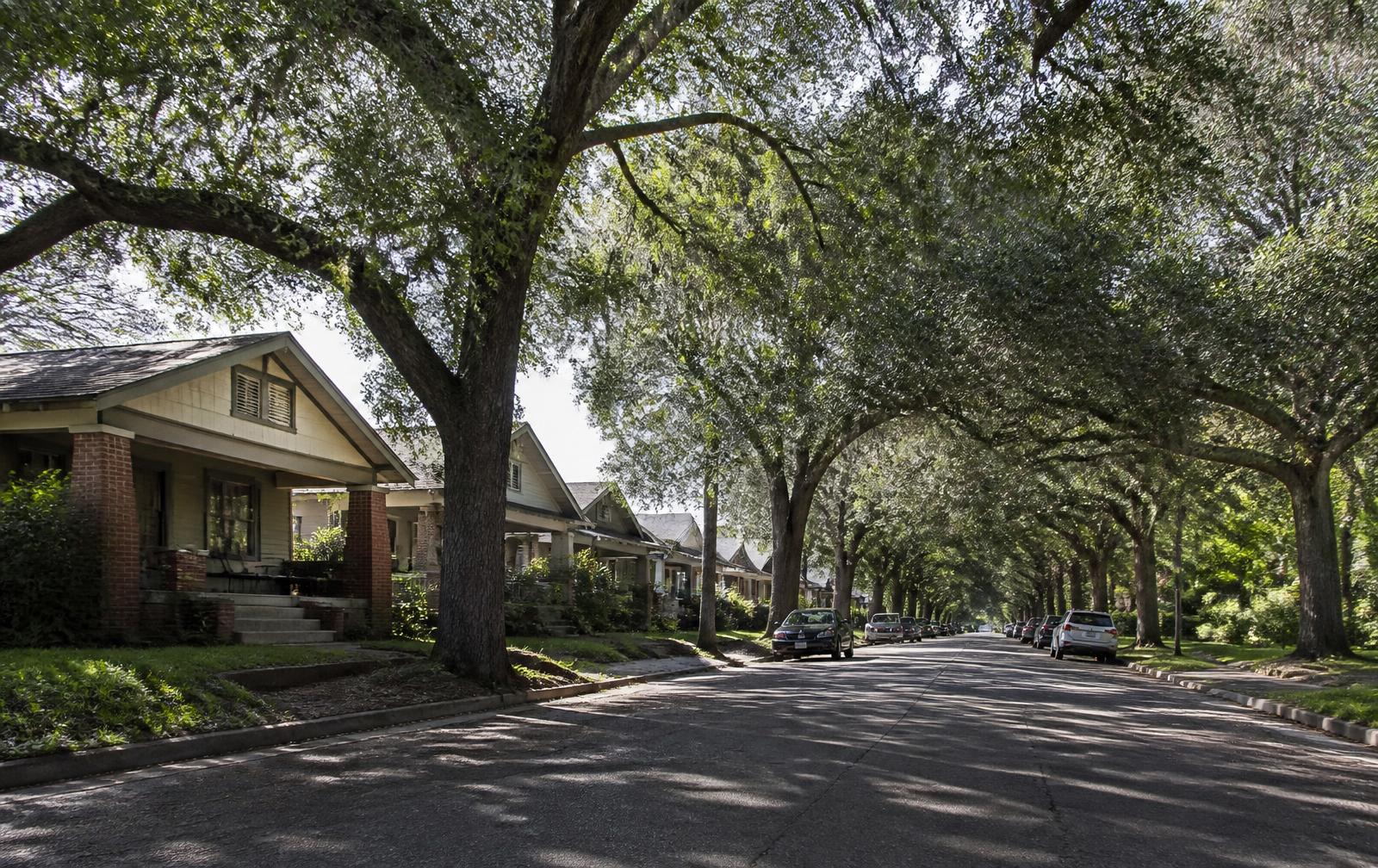
In a neighborhood this compact, the single most predictive fact about a house is not its square footage or its finish level — it is which line it faces. A house on Central Avenue and a house on the street directly behind it share a ZIP code, a school assignment, and a walk score, and share almost nothing else in daily experience. The corridor blocks carry evening noise, headlight wash across front rooms, and parking that disappears after six. The blocks behind them sit under a closed tree canopy and go quiet at dusk. Neighborhood averages hide that difference completely.
Walk it twice, at two different hours
The cheapest and most useful due diligence available in Plaza Midwood costs nothing: walk the block once mid-morning on a weekday and once after nine on a Friday or Saturday. The gap between those two visits tells you more than any report. Listen for where the sound stops — usually one street back from the corridor. Watch where cars park when the district fills. Note whether the block has rear-alley access, because that determines what can be done with the back of a lot later.
What the built form is telling you
Setback, porch depth, roof pitch, and lot width are a record of when a block was platted and what it was built for. Narrow lots with deep porches and short setbacks are pre-war streetcar-era fabric. Wider lots with side-loaded drives and shallower porches came later. Mixed blocks — a 1925 bungalow beside a 2019 infill — are usually where teardown economics have already arrived, which is a signal about the next decade rather than a judgment about the street today.
How to verify anything here
Everything above describes durable conditions — built form, street pattern, process, and where the public record lives — rather than prices, tenants, or anything else that changes month to month. Parcel-specific facts should be confirmed with the Mecklenburg County Assessor, land-use and permit questions with the City of Charlotte, school assignment with Charlotte-Mecklenburg Schools, and historic designation with the Charlotte Historic District Commission. This entry was published 5 January 2026; a new one publishes every week. Filed under buying.