Can I remove a large tree on my own lot?
It depends on size, location, and whether work is tied to development; check current City of Charlotte tree ordinance requirements first.
31 August 2026 · Design · 3 min read
On a fifty-foot lot under mature canopy, the garden is a design problem with hard constraints.
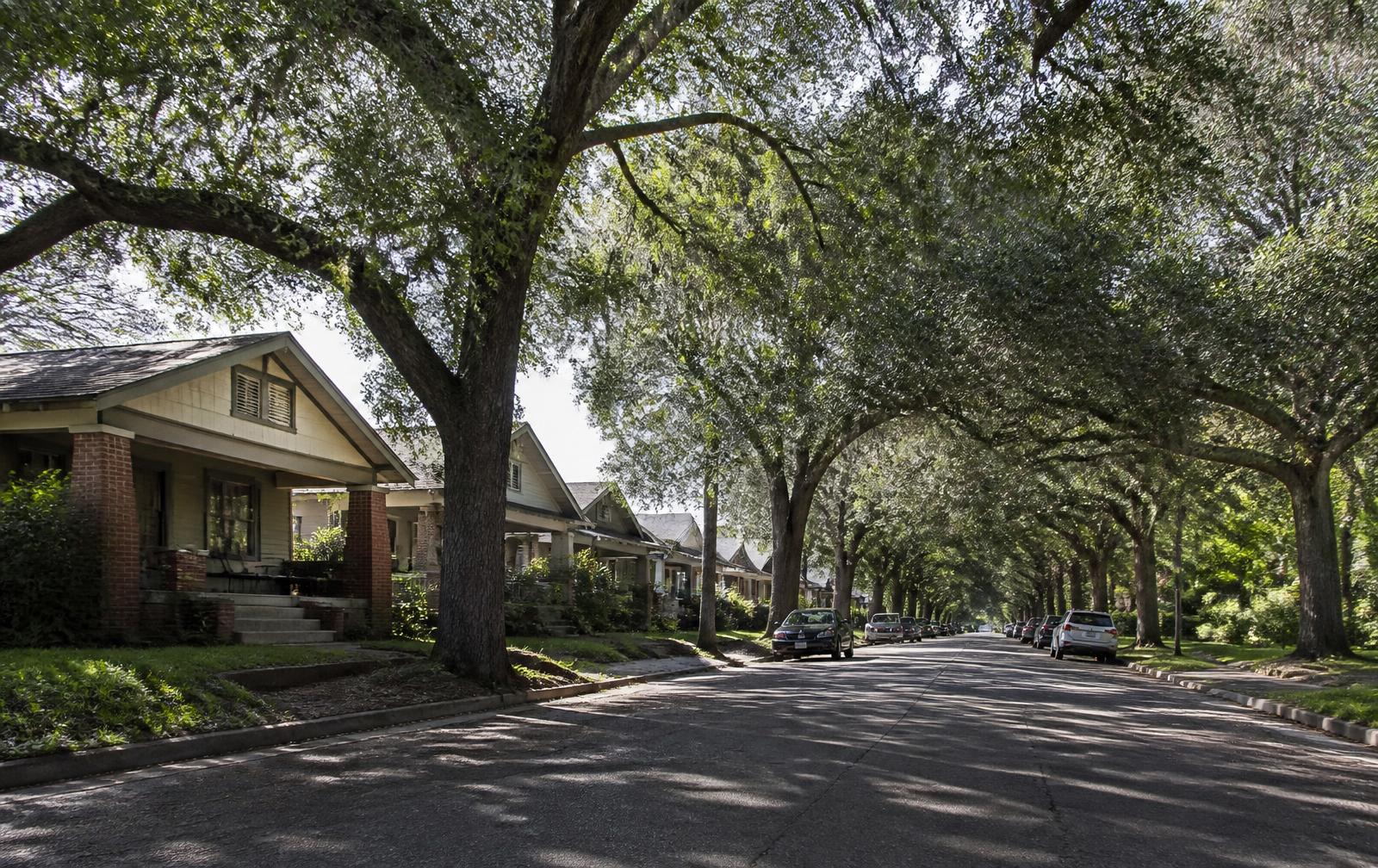
In high summer the neighborhood's two defining systems are both running at full capacity: the tree canopy that makes the residential grid walkable in the heat, and the evening economy along the corridor that makes it loud after nine. This week's entry is about the inside of these houses. On a fifty-foot lot under mature canopy, the garden is a design problem with hard constraints. Published 31 August 2026 as part of this guide's weekly record of Plaza Midwood, Charlotte, North Carolina.
Mature canopy means most of these yards are shade gardens whether or not their owners intended them to be. Fighting that with sun-loving plantings produces years of disappointment. Working with it — layered shade planting, texture instead of flower colour, and ground planes that tolerate root competition — produces gardens that look established quickly and need far less intervention.
The most valuable thing in most of these yards is a tree that took eighty years to grow. Grade changes, trenching, and compaction inside the root zone are what kill them, usually two to five years after the work rather than immediately. Any hardscape or drainage plan should start with a root protection zone drawn on the plan.
On a narrow lot the front yard is public composition, the side yards are circulation and utility, and the back is the actual outdoor room. Designing them as three different problems rather than one continuous lawn is what makes small lots feel generous.
Everything above describes durable conditions — built form, street pattern, process, and where the public record lives — rather than prices, tenants, or anything else that changes month to month. Parcel-specific facts should be confirmed with the Mecklenburg County Assessor, land-use and permit questions with the City of Charlotte, school assignment with Charlotte-Mecklenburg Schools, and historic designation with the Charlotte Historic District Commission. This entry was published 31 August 2026; a new one publishes every week. Filed under design.
Subjects
This is the 31 August 2026 edition of an evergreen article. Read the original article.
From the library · Design
The archive
Frequently asked
It depends on size, location, and whether work is tied to development; check current City of Charlotte tree ordinance requirements first.
Local extension resources publish region-specific shade plant lists suited to the Piedmont; the NC State Extension is a reliable starting point.
Source: City of Charlotte
Sources & verification
Figures and descriptions on this page are compiled from the public sources listed above and reviewed periodically. Conditions change; verify anything you plan to rely on with the responsible authority before acting.
Publisher-associated businesses
These businesses are associated with this guide's publisher, Nicholas and Miriam Peters — not independent recommendations. The full list is in the Business Services menu.
Custom builder & renovator
Infill construction, whole-house renovation, and additions on Charlotte's historic in-town lots.
Real estate advisory
Buyer and seller representation across Plaza Midwood, Charlotte, and the Carolinas.
Interior design
Interior architecture and furnishings for historic and newly built Charlotte homes.
Smart home & AV integration
Networking, lighting control, media, and security systems designed for older houses.
Related
Finish levels, millwork, and palettes that respect old bones.
Permits, additions, systems, and the realities of a hundred-year-old house.
Price bands, inventory reality, and how the 28205 market actually trades.
Walkability, daily rhythm, dogs, porches, and neighbors.