This week in Plaza Midwood
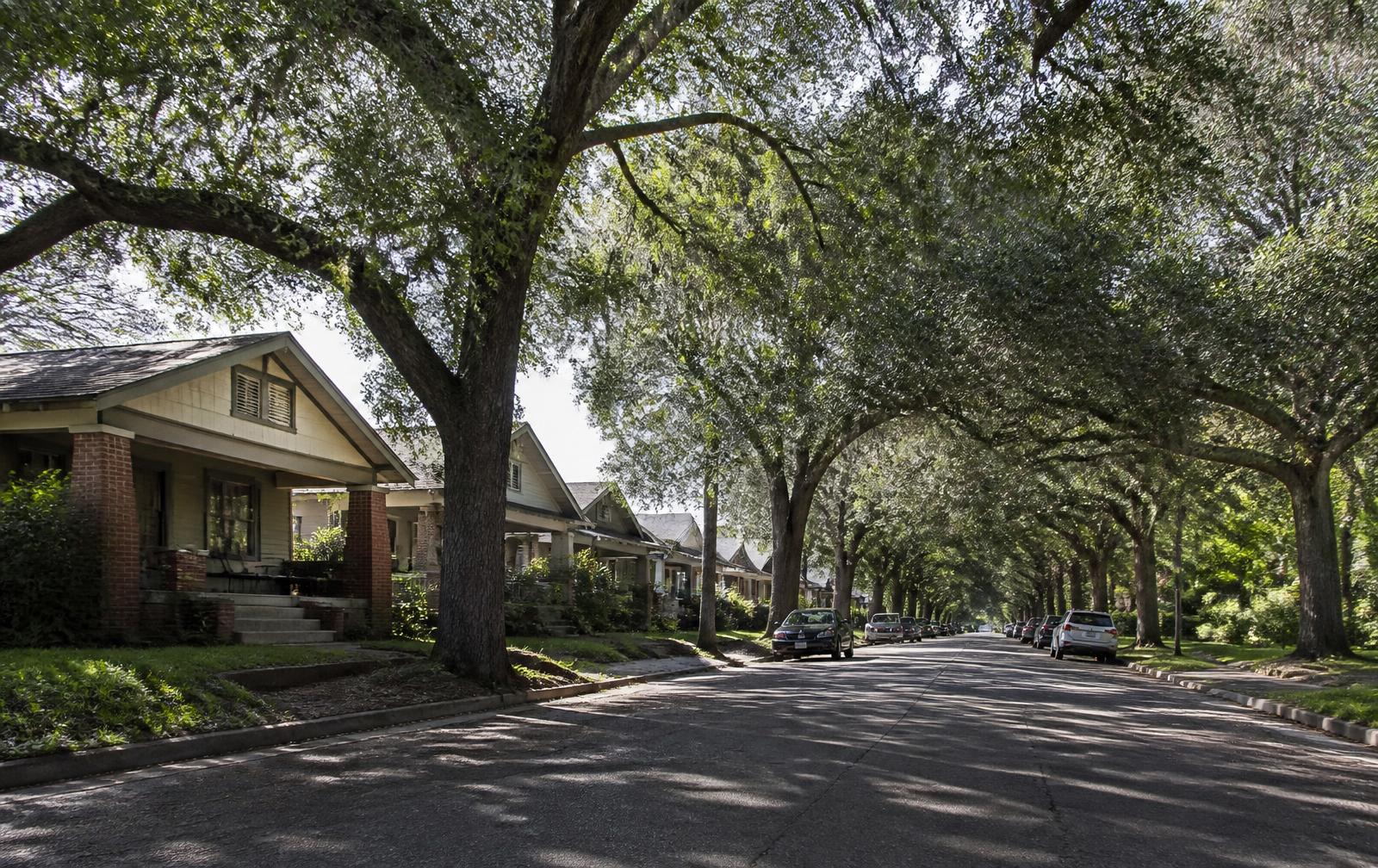
With the canopy down, Plaza Midwood shows its structure. Rooflines, additions, and the real condition of a block are all visible in a way they simply are not in July, which makes the cold months the most informative time of year to look closely at this neighborhood. This week's entry is about work on existing houses. The line between a renovation that raises value and one that quietly erases it. Published 26 January 2026 as part of this guide's weekly record of Plaza Midwood, Charlotte, North Carolina.
Start with the systems nobody sees
The order of operations on a pre-war house is unglamorous and non-negotiable: water management, structure, electrical, plumbing, mechanical, envelope — then finishes. Renovations that invert that order produce beautiful kitchens sitting on top of unresolved problems, and the problems always resurface. A scope built the right way often looks like it is spending a great deal of money on things guests will never notice, and that is exactly what it should look like in year one.
Keep the elements that carry the character
Front elevation, porch, roofline, window rhythm, and original trim profiles are what make the house read as belonging to the street. They are also the cheapest things to preserve and the most expensive to convincingly recreate. Where original material is beyond saving, matching profile and sightline matters more than matching material exactly — the eye reads proportion first.
Plan the back before you touch the front
Most successful projects in this neighborhood put the new square footage at the rear and leave the street face alone. That approach keeps the block coherent, tends to move faster through review where review applies, and usually costs less than trying to reorganize a narrow pre-war footprint from the inside out. Decide the long-term plan for the rear even if you build it in phases, so the first phase does not foreclose the second.
How to verify anything here
Everything above describes durable conditions — built form, street pattern, process, and where the public record lives — rather than prices, tenants, or anything else that changes month to month. Parcel-specific facts should be confirmed with the Mecklenburg County Assessor, land-use and permit questions with the City of Charlotte, school assignment with Charlotte-Mecklenburg Schools, and historic designation with the Charlotte Historic District Commission. This entry was published 26 January 2026; a new one publishes every week. Filed under renovating.