This week in Plaza Midwood
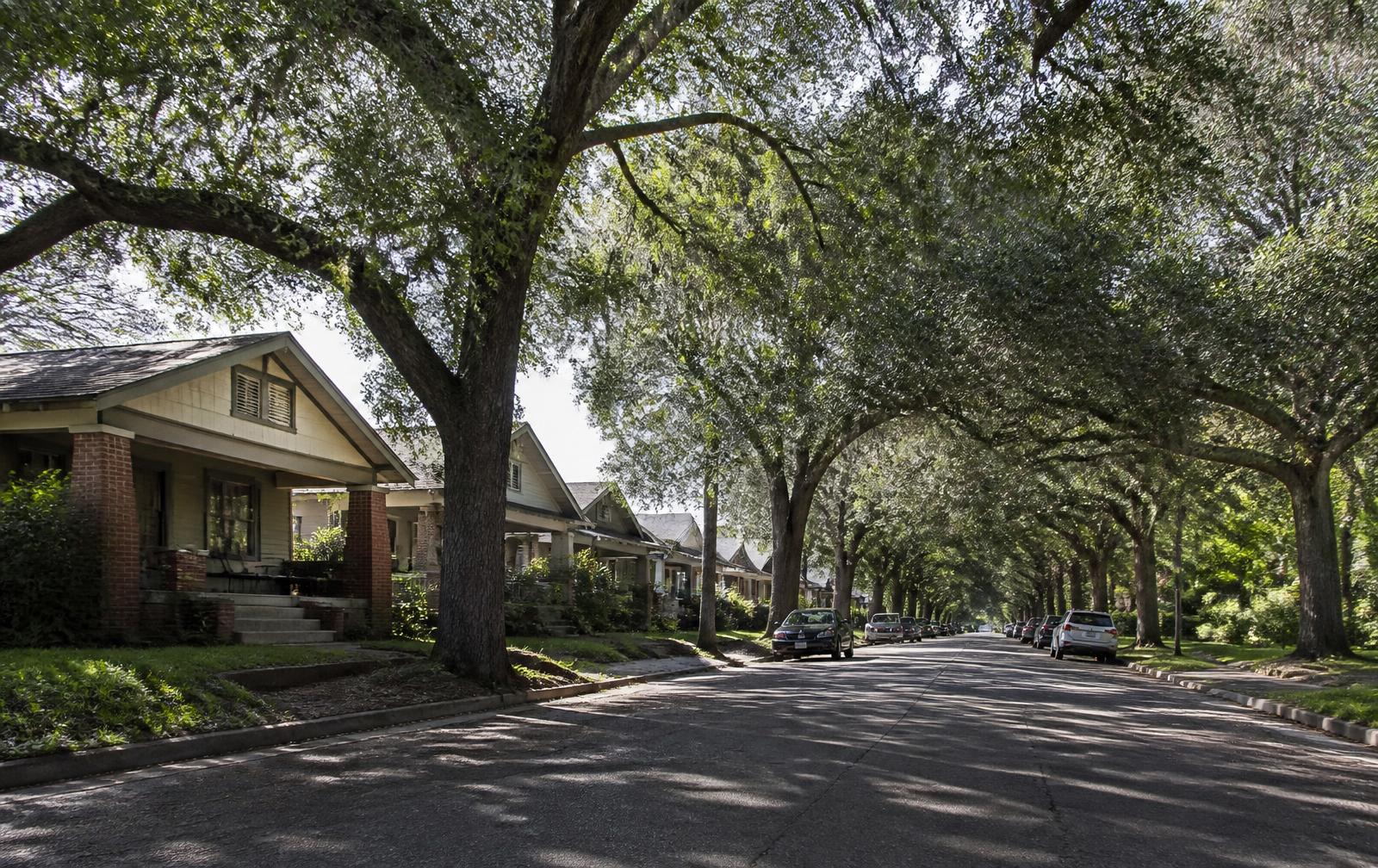
With the canopy down, Plaza Midwood shows its structure. Rooflines, additions, and the real condition of a block are all visible in a way they simply are not in July, which makes the cold months the most informative time of year to look closely at this neighborhood. This week's entry is about what living here is actually like. A walk score is a number. Here is what the walk is really like, block by block, and where it breaks down. Published 19 January 2026 as part of this guide's weekly record of Plaza Midwood, Charlotte, North Carolina.
The five-minute core
Plaza Midwood's walkability is unusually concentrated. From most of the residential grid between Central Avenue and The Plaza, the business district is a five- to twelve-minute walk on continuous sidewalk under mature canopy. That is a genuinely rare condition in Charlotte, and it is the reason the neighborhood commands the premium it does. It also means the premium falls off quickly: the walk from the eastern edge is a different proposition, and buyers should measure it themselves rather than trust a map.
Where the sidewalk network thins
Coverage is not uniform. Some connector streets have sidewalk on one side only, a few have gaps at older parcels, and crossings of the main corridors concentrate at signalized intersections that are not always where you want to cross. None of this makes the neighborhood unwalkable; it means the practical route is often not the shortest line on a map. Walking your actual daily route before buying is worth more than any composite score.
Parking is the other half of the equation
A walkable district generates parking pressure on the residential streets that surround it. Evening and weekend demand pushes into the first two blocks behind the corridor, and restrictions vary street by street. If a house has no off-street parking, treat that as a real constraint rather than a quirk — it affects daily life, guests, and eventual resale in a way that finishes do not.
How to verify anything here
Everything above describes durable conditions — built form, street pattern, process, and where the public record lives — rather than prices, tenants, or anything else that changes month to month. Parcel-specific facts should be confirmed with the Mecklenburg County Assessor, land-use and permit questions with the City of Charlotte, school assignment with Charlotte-Mecklenburg Schools, and historic designation with the Charlotte Historic District Commission. This entry was published 19 January 2026; a new one publishes every week. Filed under daily life.