This week in Plaza Midwood
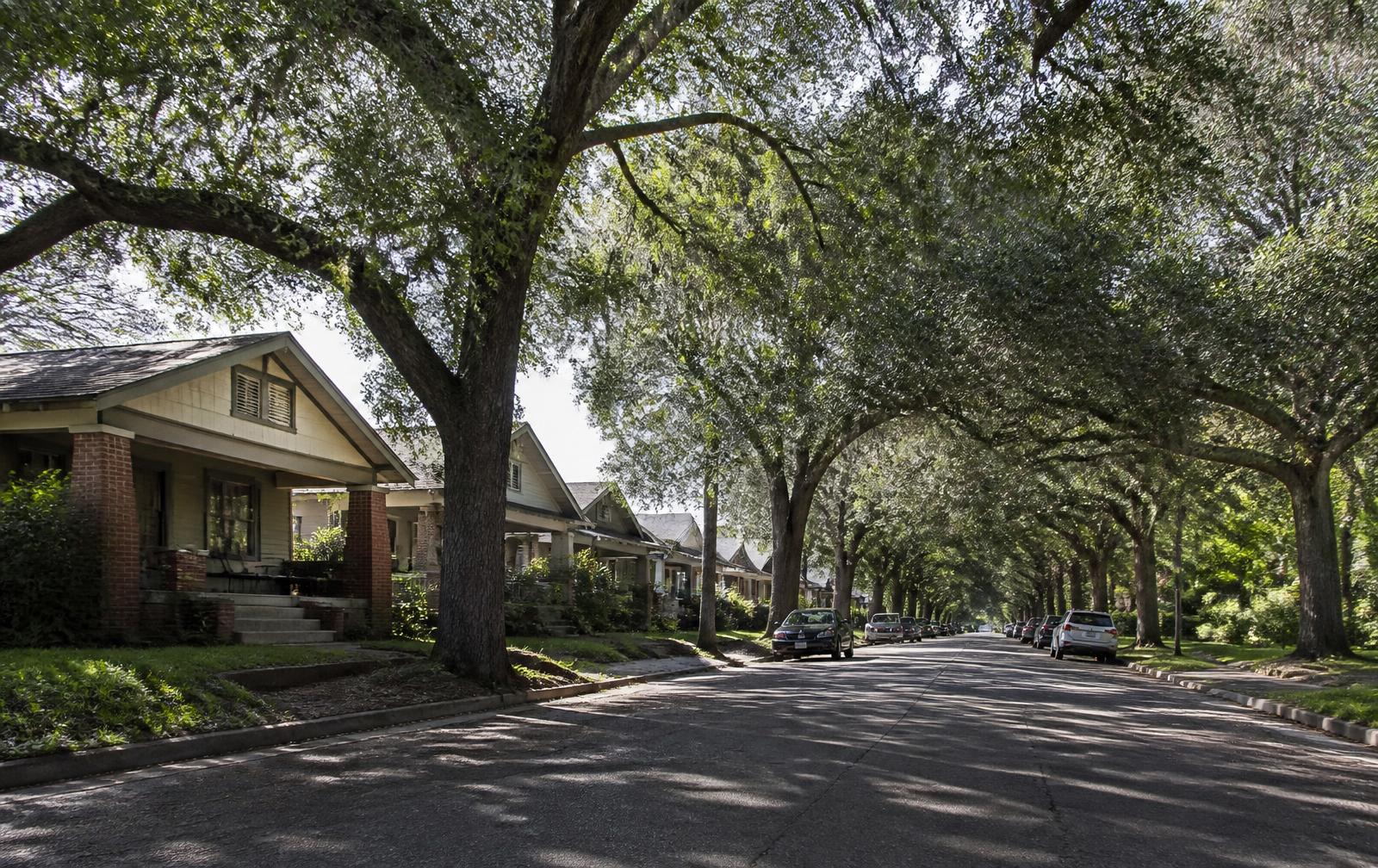
With the canopy down, Plaza Midwood shows its structure. Rooflines, additions, and the real condition of a block are all visible in a way they simply are not in July, which makes the cold months the most informative time of year to look closely at this neighborhood. This week's entry is about the buildings themselves. What the dominant house type in 28205 actually is, how to tell an original from a rebuild, and what it costs to keep one honest. Published 12 January 2026 as part of this guide's weekly record of Plaza Midwood, Charlotte, North Carolina.
A form built for a streetcar suburb
The Craftsman bungalow arrived in Plaza Midwood as a practical answer to a practical problem: modest lots, a walking commute, and a hot climate before air conditioning. The result is a house with a deep front porch doing real work as an outdoor room, low horizontal massing, exposed rafter tails, tapered porch columns on masonry piers, and a floor plan organized around cross-ventilation. Those features are not decoration; they are climate engineering, and they are the reason the type has aged so well here.
Telling original from replacement
Look at the small things first. Original double-hung sash have wavy glass and thin muntins; replacements almost never match the sightlines. Original porch columns sit on piers that align with the foundation, not on framed boxes. Original soffits show rafter tails; boxed soffits usually mean a re-roof took the detail with it. None of this makes a rebuilt house a bad house — much of the neighborhood's stock has been sensitively renewed — but it changes what you are buying and what maintenance will look like.
What upkeep actually involves
The recurring costs on a bungalow of this era are wood windows, porch decking and columns, foundation drainage, and knob-and-tube or early cloth-wrapped wiring where it survives. None are exotic; all reward a builder who has done them before in this specific housing stock. The most expensive mistake owners make is deferring water management — grading, gutters, and crawlspace ventilation — because every other problem in an old house downstream of water gets worse and more costly the longer it waits.
How to verify anything here
Everything above describes durable conditions — built form, street pattern, process, and where the public record lives — rather than prices, tenants, or anything else that changes month to month. Parcel-specific facts should be confirmed with the Mecklenburg County Assessor, land-use and permit questions with the City of Charlotte, school assignment with Charlotte-Mecklenburg Schools, and historic designation with the Charlotte Historic District Commission. This entry was published 12 January 2026; a new one publishes every week. Filed under architecture.