This week in Plaza Midwood
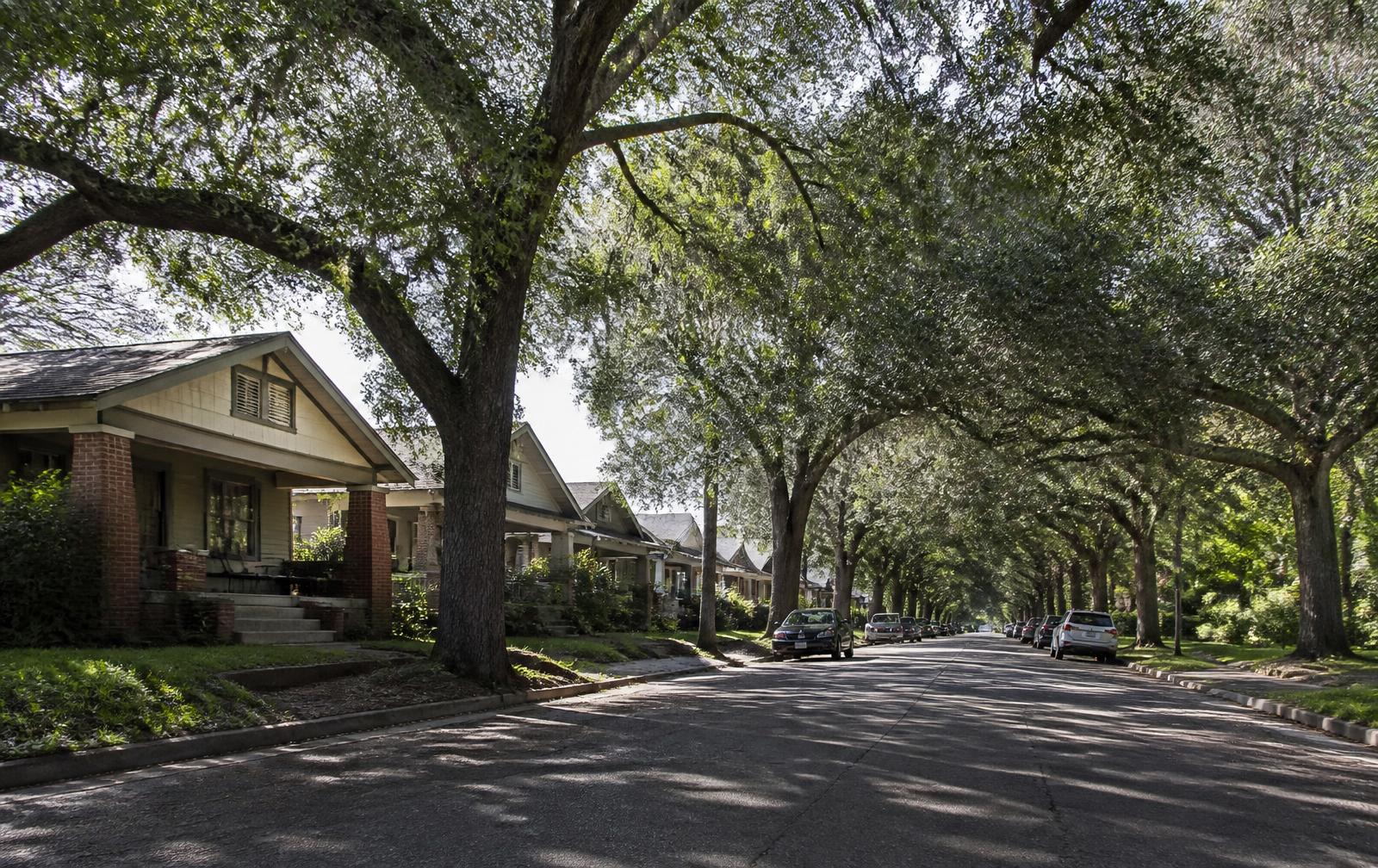
Spring is when Plaza Midwood is easiest to misjudge. The canopy fills in, the patios reopen, and every block looks like its best self — which is exactly why this is the season to be deliberate about what you are actually looking at. This week's entry is written for people actively looking at houses here. The specific items that matter in this housing stock, beyond a generic checklist. Published 11 May 2026 as part of this guide's weekly record of Plaza Midwood, Charlotte, North Carolina.
Start under the house
In this stock the crawlspace tells you most of what you need to know: moisture, standing water, vapor barrier condition, joist and sill condition, prior repairs, and evidence of pest activity. An inspector who will not go under the house is not inspecting the house. Ask to see photographs of everything, and ask what the moisture pattern suggests about grading and gutters outside.
Electrical and panel capacity
Original wiring types, mixed-era splices, and panels sized for a much smaller electrical load are common. The question is not only safety but capacity: whether the service can support modern appliances, HVAC, and any planned addition. This is one of the few inspection findings that reliably changes a renovation budget by a large amount.
Roof structure, not just roof surface
Shingle age is easy to read; framing is not. Sagging ridges, undersized rafters, cut members from past mechanical work, and prior additions tied in poorly are the expensive findings. If the attic is accessible, it deserves as much attention as the roof surface. Prior additions in particular should be checked for permits and for how they were structurally connected.
How to verify anything here
Everything above describes durable conditions — built form, street pattern, process, and where the public record lives — rather than prices, tenants, or anything else that changes month to month. Parcel-specific facts should be confirmed with the Mecklenburg County Assessor, land-use and permit questions with the City of Charlotte, school assignment with Charlotte-Mecklenburg Schools, and historic designation with the Charlotte Historic District Commission. This entry was published 11 May 2026; a new one publishes every week. Filed under buying.