Does a smart home upgrade require rewiring?
Not always, but pre-war houses often need panel and circuit work regardless, and combining that with low-voltage planning is far more efficient than doing it twice.
27 April 2026 · Technology · 3 min read
Retrofitting a pre-war house is a wiring and wireless-coverage problem, not a gadget problem.
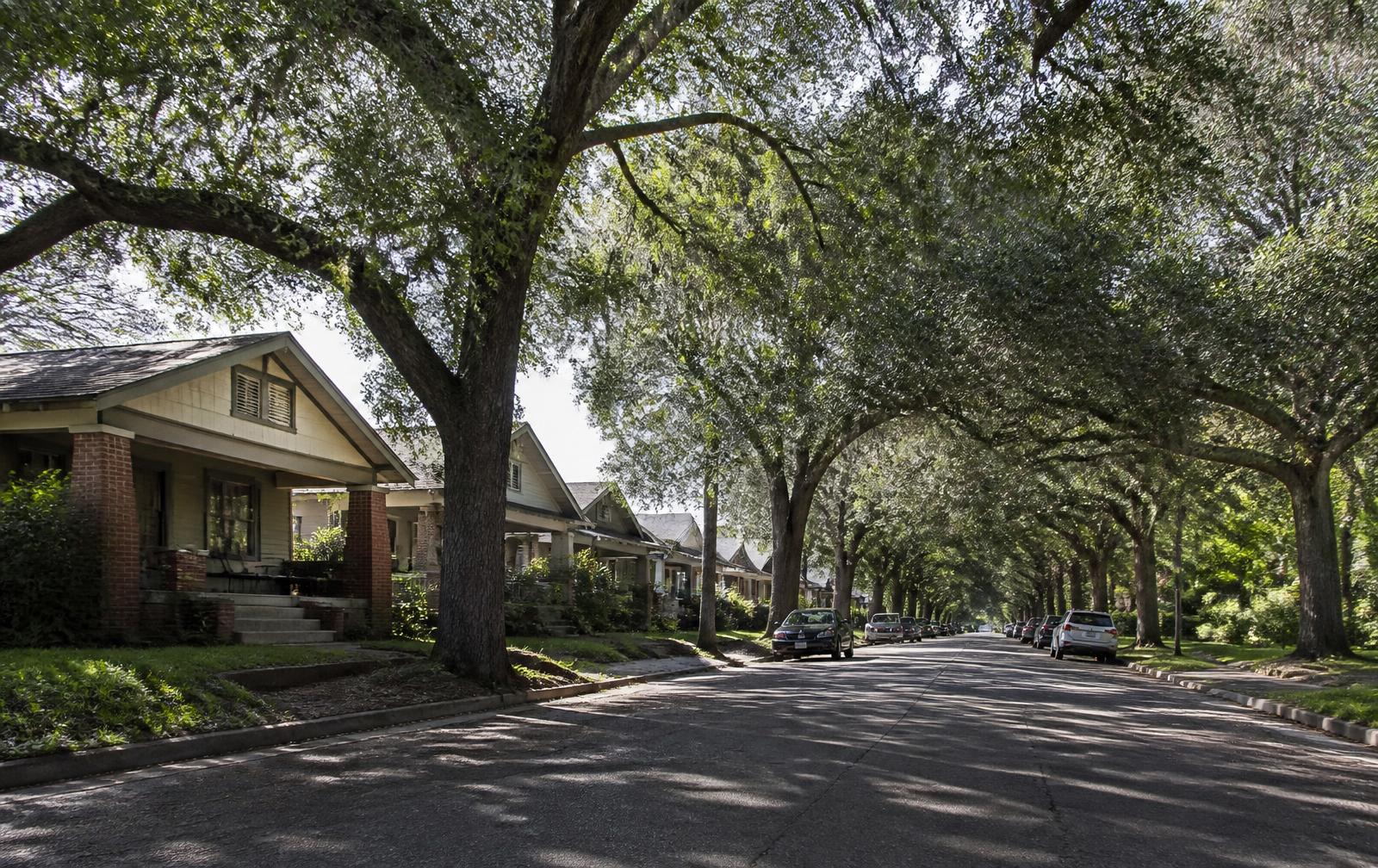
Spring is when Plaza Midwood is easiest to misjudge. The canopy fills in, the patios reopen, and every block looks like its best self — which is exactly why this is the season to be deliberate about what you are actually looking at. This week's entry is about making an old house work with modern systems. Retrofitting a pre-war house is a wiring and wireless-coverage problem, not a gadget problem. Published 27 April 2026 as part of this guide's weekly record of Plaza Midwood, Charlotte, North Carolina.
The materials that make these houses solid — plaster over wood lath, sometimes with metal, and masonry chimneys and party walls — are also very effective at blocking wireless signal. A single router in a corner room will not cover a 1925 house properly no matter how expensive it is. Planning coverage as a system, with wired backhaul where it can be run, is the difference between technology that works and technology that gets unplugged.
The single cheapest moment to make an old house genuinely capable is during a renovation when walls are already open. Structured cabling, conduit for future runs, and adequate low-voltage pathways cost very little at that stage and are painful to add later. Peters Audio Video plans this alongside renovation scopes for exactly that reason — the cost curve is brutal once the plaster goes back.
The most common regret is complexity: a house where nothing works unless one person is home to operate it. Systems that fail gracefully — lights that still work from a switch, locks that still take a key, climate that still responds to a wall control — age far better in an old house than fully app-dependent installations.
Everything above describes durable conditions — built form, street pattern, process, and where the public record lives — rather than prices, tenants, or anything else that changes month to month. Parcel-specific facts should be confirmed with the Mecklenburg County Assessor, land-use and permit questions with the City of Charlotte, school assignment with Charlotte-Mecklenburg Schools, and historic designation with the Charlotte Historic District Commission. This entry was published 27 April 2026; a new one publishes every week. Filed under technology.
Subjects
This is the 27 April 2026 edition of an evergreen article. Read the original article.
From the library · Technology
The archive
Frequently asked
Not always, but pre-war houses often need panel and circuit work regardless, and combining that with low-voltage planning is far more efficient than doing it twice.
Access point placement and wired backhaul. Wall construction in these houses makes single-router coverage unreliable.
Source: City of Charlotte
Sources & verification
Figures and descriptions on this page are compiled from the public sources listed above and reviewed periodically. Conditions change; verify anything you plan to rely on with the responsible authority before acting.
Publisher-associated businesses
These businesses are associated with this guide's publisher, Nicholas and Miriam Peters — not independent recommendations. The full list is in the Business Services menu.
Custom builder & renovator
Infill construction, whole-house renovation, and additions on Charlotte's historic in-town lots.
Real estate advisory
Buyer and seller representation across Plaza Midwood, Charlotte, and the Carolinas.
Interior design
Interior architecture and furnishings for historic and newly built Charlotte homes.
Smart home & AV integration
Networking, lighting control, media, and security systems designed for older houses.
Related
Networking, lighting, and media systems retrofitted into historic houses.
Networking, lighting control, audio, and cameras retrofitted into plaster walls.
Permits, additions, systems, and the realities of a hundred-year-old house.
Building and rebuilding on in-town lots without breaking the street.