What kind of homes are on Bay Street?
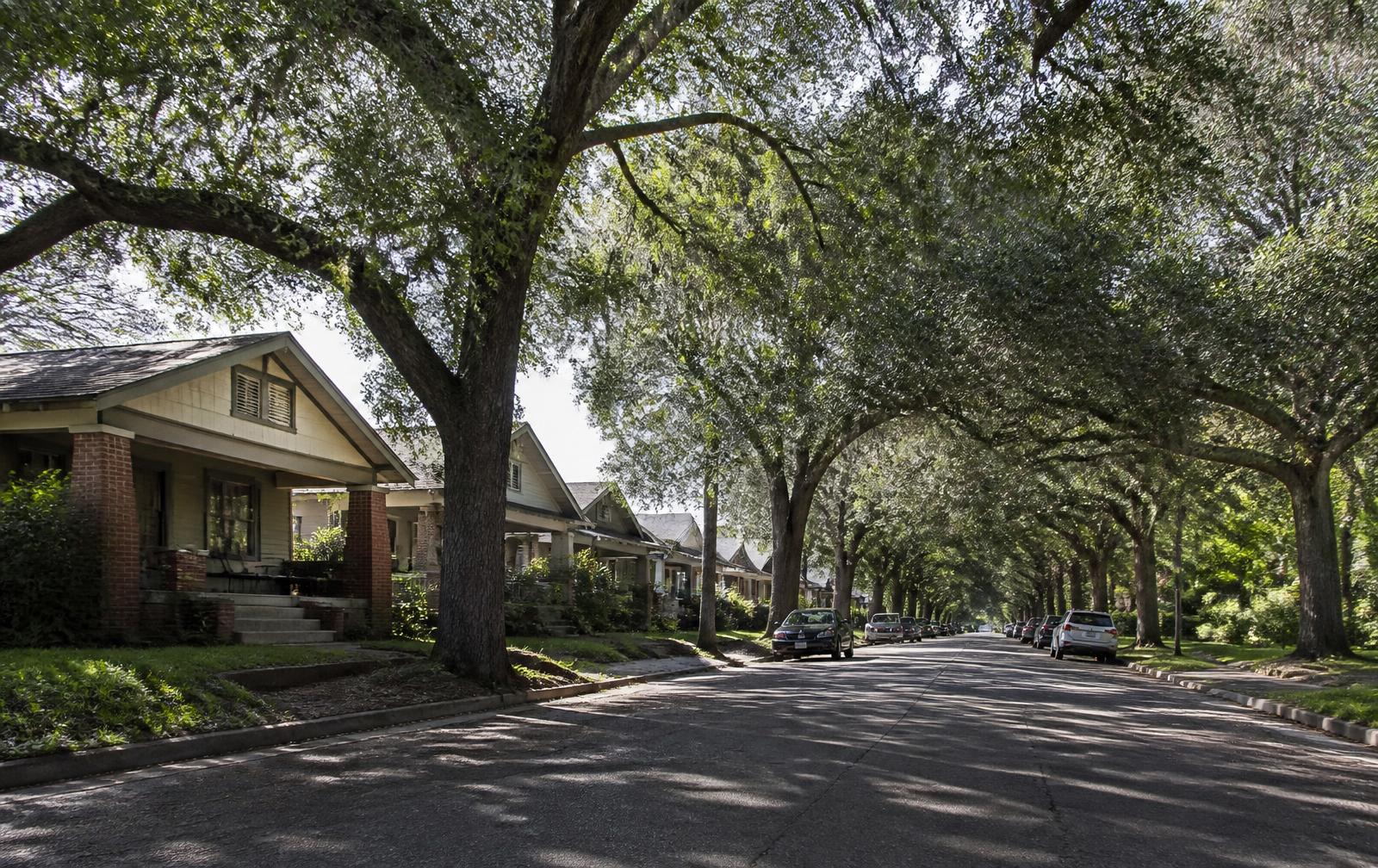
Bay Street is dominated by bungalow, cottage built largely between 1920–1945. Structure and year-built records for individual parcels are published in the Mecklenburg County Assessor's property records.
Chantilly · 1920–1945
Small, well-kept houses on modest lots with a strong front-porch culture.
District
Chantilly
Build era
1920–1945
Primary style
Bungalow
ZIP
28205
Small, well-kept houses on modest lots with a strong front-porch culture.
Entry pricing for the Chantilly side of the neighborhood usually appears here first.
Value on Bay Street moves with condition, renovation depth, and position relative to the Central Avenue corridor rather than with square footage alone. Two houses of similar size on this street can differ substantially in price when one has corrected structure and systems and the other has only cosmetic updates.
Houses dated 1920–1945 on Bay Street were framed before most modern code requirements existed. Expect original dimensional framing, plaster or early drywall, minimal wall insulation, undersized electrical service in unrenovated examples, and cast-iron or clay drain lines at the street connection. None of that is disqualifying — it is the normal baseline for the Chantilly blocks — but it sets the sequence of work: structure and drainage first, then systems, then finishes.
The canopy along Bay Street is part of the streetscape's value and is regulated: tree removal in the right-of-way and, in some cases, on private property is reviewed by the City of Charlotte's arborist. Front setbacks on this block are consistent by design, and additions that push the front plane forward are the least likely to survive review. Second-story and rear additions that leave the street facade legible are the pattern that gets approved in Chantilly. Confirm zoning, overlay, and any historic-district designation for a specific address with the City of Charlotte before drawing plans.
Bay Street is a residential street inside a district that draws city-wide evening traffic to Central Avenue and The Plaza. Spillover parking on weekend nights is the most common complaint on blocks nearest the corridor, and some streets carry residential permit restrictions administered by the Charlotte Department of Transportation. Sidewalk coverage is generally continuous on the older grid and intermittent on the eastern edges.
Architecture on this street
Architecture here
The styles recorded on this street, each with construction detail, maintenance expectations, and renovation notes.
Field guide · 1910–1935
The defining house of Plaza Midwood and the reason the streetscape reads the way it does.
Tapered porch columns on piers · Exposed rafter tails
Field guide · 1920s and revived 2020s
Small detached cottages arranged around a shared central walk.
Shared central green · Small footprint
Community context
The communities and enclaves that include these blocks.
Nearby
1913–1940
The namesake street of the Chantilly plat, quiet and buffered from Independence by the creek corridor.
Bungalow · Minimal Traditional
1920–1950
A short residential run near the creek edge with a mix of original and renovated stock.
Bungalow · Ranch
1920–1945
A consistent bungalow street on the Chantilly side, close to the creek corridor.
Bungalow
1925–1950
Small-scale houses with a strong sense of enclosure from mature trees.
Bungalow · Cottage
1920–1945
A residential run linking Chantilly toward the Independence corridor.
Bungalow · Ranch
Frequently asked
Bay Street is dominated by bungalow, cottage built largely between 1920–1945. Structure and year-built records for individual parcels are published in the Mecklenburg County Assessor's property records.
Parts of the Plaza Midwood grid fall inside a designated local historic district with exterior design review and parts do not. Confirm whether a specific address is designated with the Charlotte Historic District Commission.
Entry pricing for the Chantilly side of the neighborhood usually appears here first.
Sources & verification
Figures and descriptions on this page are compiled from the public sources listed above and reviewed periodically. Conditions change; verify anything you plan to rely on with the responsible authority before acting.
Direct lines
Four affiliated Charlotte firms cover the whole arc of an in-town house — finding it, building it, finishing it, and wiring it. Each link goes straight to that firm's own site.
Custom builder & renovator
Infill construction, whole-house renovation, and additions on Charlotte's historic in-town lots.
Real estate advisory
Buyer and seller representation across Plaza Midwood, Charlotte, and the Carolinas.
Interior design
Interior architecture and furnishings for historic and newly built Charlotte homes.
Smart home & AV integration
Networking, lighting control, media, and security systems designed for older houses.
Related
A street-level directory of the neighborhood's residential grid.
Every enclave, condo building, and townhome community in and around the neighborhood.
Craftsman, Tudor, and mill-house stock — what to look for and what to expect.
Price bands, inventory reality, and how the 28205 market actually trades.