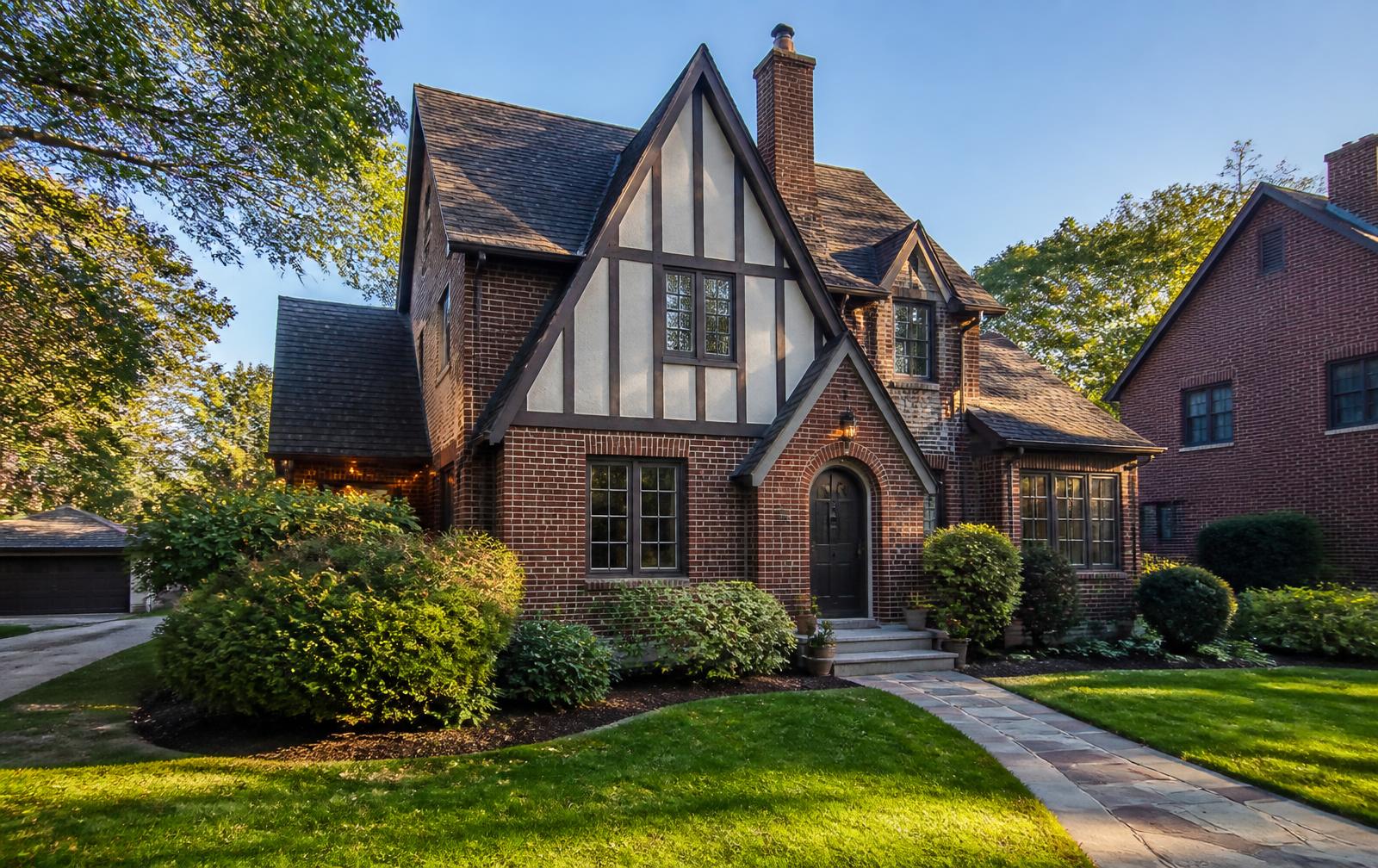
What defines the Bungalow Court Cottage
A rare 1920s housing type that Charlotte built briefly, now being revived by a handful of infill projects.
Owning one here
Highly sought after and rarely available; shared-maintenance structures vary widely between courts.
Condition items that show up on inspection
On bungalow court cottage houses of the 1920s and revived 2020s period, the recurring inspection findings in Charlotte are foundation or pier movement, drainage that pushes water toward the crawl space, roof and flashing age, undersized or ungrounded electrical service, and original single-pane glazing. Sewer laterals of this era are frequently clay or cast iron and are worth scoping before closing. None of that is unusual for the stock — it simply belongs in the budget rather than in the surprise column.
Permits, overlays, and what review looks like
Exterior work visible from the street can be subject to review where a property sits inside a designated local historic district; elsewhere in Plaza Midwood, standard City of Charlotte zoning and the Unified Development Ordinance govern setbacks, height, and lot coverage. Confirm designation, zoning, and permit history for a specific address with the City of Charlotte and Mecklenburg County before committing to a scope. Tree removal is separately regulated.
Renovating in this style
Work that respects the bungalow court cottage keeps the street facade, roofline, and window proportions intact while making the rear of the plan fully contemporary. Match trim profiles and eave details before choosing finishes — those details are what make new work read as original.